
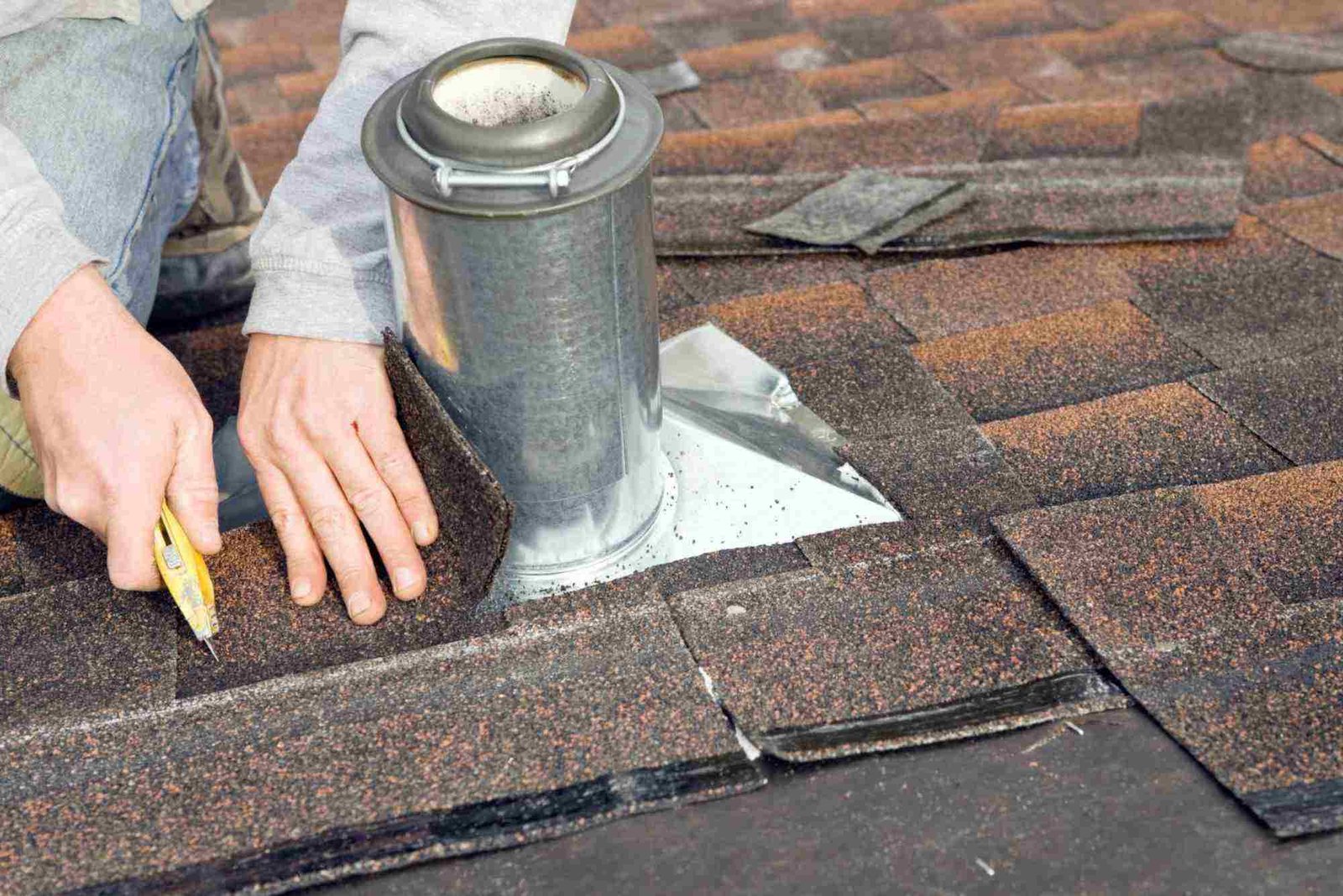
Top Ways to Vent and Improve Your Blockage
A blocked vent can disrupt airflow, reduce efficiency, and create safety hazards. Whether in your dryer, HVAC system, or plumbing, knowing the top ways to vent and improve your blockage is essential. This guide provides actionable strategies to enhance ventilation, maintain performance, and prevent long-term damage.
Understanding Vent Blockages
What Causes Vent Blockages?
Vent blockages occur when debris, lint, dust, or other materials accumulate over time. Common causes include poor maintenance, outdated systems, and external debris entering through vents. Blockages can lead to slow airflow, overheating, unpleasant odors, or even system damage. Recognizing these causes is the first step to improving airflow.
Signs Your Vent Needs Attention
Frequent warnings like overheating, unusual noises, or longer drying cycles are indicators of blockage. Observing your system’s performance can reveal early warning signs. For instance, noticing a burning smell during use could indicate overheating vent blockage, which requires immediate attention. Checking for proper airflow can prevent costly repairs.
Top Ways to Vent and Improve Your Blockage
Regular Cleaning and Maintenance
Cleaning vents regularly prevents debris accumulation. Use a vacuum, brush, or specialized vent-cleaning tools to remove lint, dust, and dirt. Scheduling maintenance every few months ensures consistent airflow and system efficiency.
How to Safely Clean a Vent
Turn off the appliance or system.
Detach the vent and use a brush to remove debris.
Vacuum the surrounding area to prevent reaccumulation.
Reattach the vent securely to maintain airtight connections.


Inspecting for Damage
Cracks, kinks, or loose connections can worsen blockages. Inspecting your vents allows you to identify and repair these issues promptly. Replacing damaged sections improves airflow and prevents future obstructions.
Upgrading Vent Systems
Older vents may not handle modern airflow demands. Upgrading to rigid or semi-rigid metal vents reduces blockage risks. Proper vent design ensures optimal airflow and system efficiency while minimizing fire hazards.
Ensuring Proper Vent Length and Angle
Long or incorrectly angled vents reduce airflow and increase blockage risk. Keeping vent runs short and with gradual curves improves ventilation. If possible, consult a professional to design a system that meets your airflow needs.
Using Vent Covers and Screens
External vent covers prevent debris, animals, or leaves from entering your system. Screens with larger gaps prevent lint buildup while keeping airflow consistent. Regular inspection and cleaning of these covers ensure they do not become a new source of blockage.
Monitoring System Performance
Pay attention to changes in drying times, airflow, or system efficiency. Regular monitoring can detect early signs of blockage. Using a checklist or maintenance log helps track improvements and prevent future issues.
Professional Vent Inspection
Hiring a professional ensures a thorough inspection. They can identify hidden blockages, recommend replacements, and safely handle repairs. Professional services are especially useful for hard-to-reach or long vent runs.
Benefits of Vent Improvement
Enhanced Efficiency
Improving vent airflow reduces energy consumption, saving money on electricity bills. Your appliances will perform better, reducing wear and tear.
Improved Safety
Blocked vents increase fire risk. Regular vent maintenance eliminates overheating risks, keeping your home safe. Signs like excessive heat or smoke indicate immediate action is needed.
Extended Appliance Lifespan
Proper vent maintenance reduces strain on appliances. Overheating Vent Blockage Systems last longer, and costly replacements are less frequent.
Healthier Environment
Blocked vents can spread dust, allergens, and mold. Ensuring proper ventilation improves indoor air quality and reduces respiratory risks.
Common Mistakes to Avoid
Ignoring Warning Signs
Overlooking signs of reduced airflow or overheating can lead to significant damage. Immediate attention prevents emergencies.
Using Flexible Plastic Vents
Flexible plastic vents trap lint and debris easily. Switching to rigid metal vents improves airflow and reduces blockage risk.
Skipping Professional Inspection
DIY maintenance is helpful, but some blockages require professional expertise. Ignoring professional inspections may allow hidden problems to persist.
Neglecting Outdoor Vents
External vents often accumulate leaves or debris. Regular outdoor cleaning is essential for smooth airflow.
Internal Resource Recommendations
Understanding the early warning signs can save your system from damage. Learn more about Signs Of Dryer issues to catch blockages before they worsen. For detailed guidance, check Related resource: overheating vent blockage to prevent hazards and maintain proper airflow.
FAQ
How do I know if my vent is blocked?
If your appliance takes longer to operate, emits unusual heat, or produces burning smells, your vent may be blocked. Reduced airflow is a clear warning.
Can I fix vent blockages myself?
Minor blockages can often be cleared using brushes and vacuums. For long or complex vent runs, professional inspection is safer and more effective.
How often should vents be cleaned?
Every three to six months is ideal for household vents. High-use appliances, like dryers, may require monthly cleaning.
Is vent blockage dangerous?
Yes. Blocked vents can cause overheating, fires, and reduced appliance lifespan. Regular maintenance ensures safety.
What materials cause the most blockages?
Lint, dust, hair, leaves, and small debris commonly block vents. Proper covers and regular cleaning prevent buildup.
Can upgrading my vent improve performance?
Absolutely. Replacing old or flexible vents with rigid metal vents enhances airflow, reduces blockage risk, and improves energy efficiency.
Maintaining clear vents is crucial for efficiency, safety, and longevity. By following the top ways to vent and improve your blockage, including regular cleaning, inspection, professional checks, and system upgrades, you ensure optimal performance. Don’t wait for warning signs to appear—start improving your vent system today.
Take action now: inspect your vents, schedule maintenance, and protect your home and appliances from preventable damage. Related resource: overheating vent blockage Proper airflow is the key to safe, efficient, and long-lasting systems.
KEY TAKEAWAY & INSIGHT
In an era dominated by superficial headlines, deep analytical reporting and editorial nuance remain the true markers of reliable media leadership.

mdi03
Senior Editorial Columnist & Technology Strategist at Butternut Note. Specializing in future tech, market trends, and luxury design.