
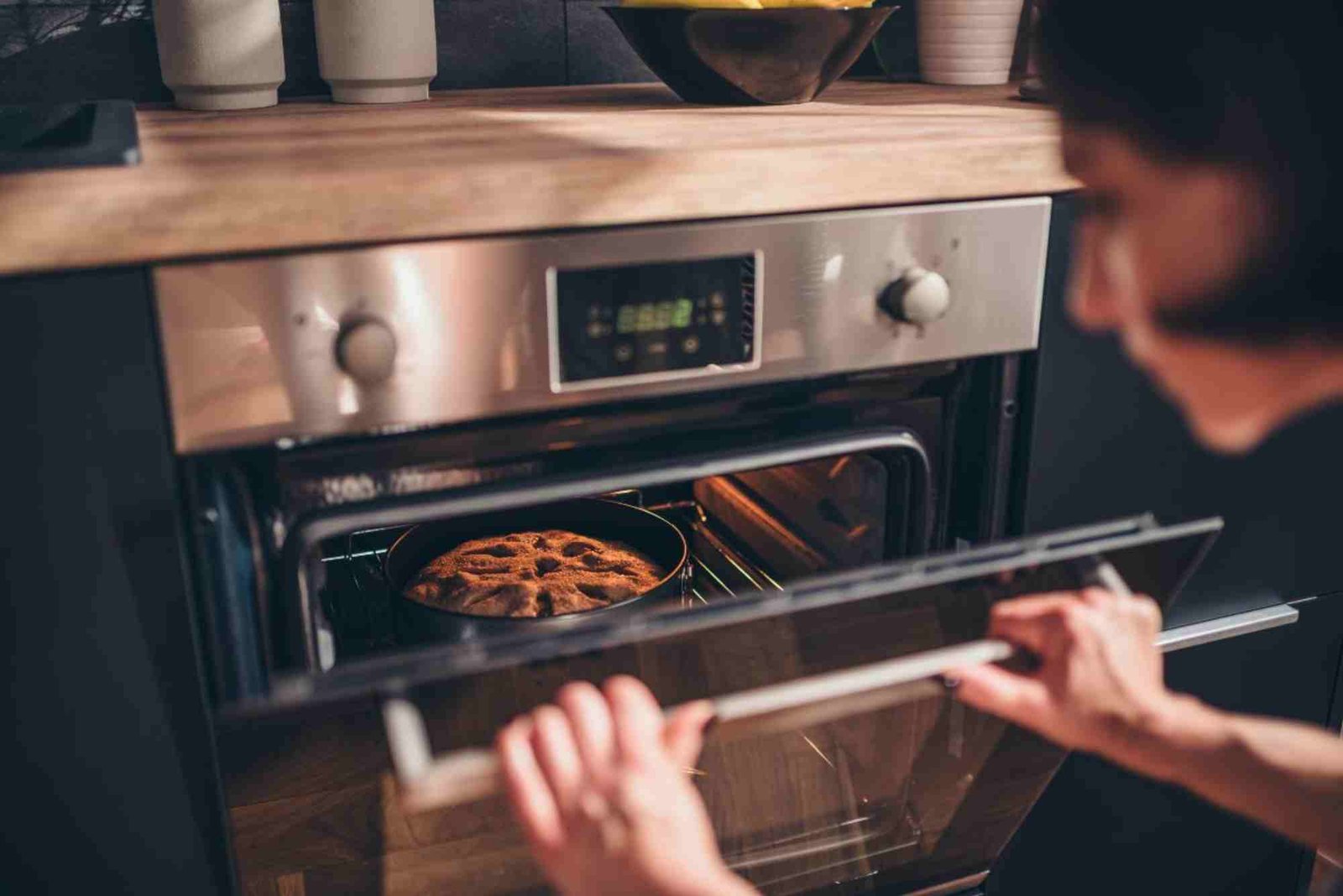
Beginner’s Tips to Oven for Better Thermostat
If you’ve ever baked a cake that turned out unevenly or roasted meat that was undercooked on one side and overcooked on the other, your oven thermostat might be the culprit. Understanding and optimizing your oven thermostat can significantly improve your cooking results. In this guide, we’ll share Beginner’s Tips to oven for Better thermostat performance so you can enjoy consistent and perfect meals.
Understanding Your Oven Thermostat
What Does an Oven Thermostat Do?
An oven thermostat regulates the internal temperature. It ensures your food cooks at the temperature you set. Without a properly functioning thermostat, your oven may overheat or underperform, causing inconsistent results.
Signs Your Thermostat Needs Attention
Some common indicators include uneven baking, prolonged preheating, or fluctuating temperatures. If your thermostat isn’t accurate, even following recipes perfectly won’t yield great results. For frequent issues, checking for an Oven Thermostat Stuck can save time and prevent mistakes.
Beginner’s Tips to Oven for Better Thermostat
Calibrate Your Oven
Oven calibration is one of the simplest ways to improve temperature accuracy. Most modern ovens allow you to adjust the temperature slightly to match an external thermometer reading.
Place an oven thermometer in the center.
Preheat to a standard temperature, like 350°F.
Compare the thermometer reading with the oven setting.
Adjust your oven’s thermostat according to the manual.


Calibration ensures your dishes cook precisely as recipes intended.
Regular Cleaning and Maintenance
Grease and food residue can affect thermostat performance. Keep your oven clean to maintain heat consistency.
Wipe spills immediately after cooking.
Remove burnt-on residue from racks and trays.
Check the oven door seal to prevent heat loss.
A clean oven reduces fluctuations and improves energy efficiency.
Avoid Frequent Temperature Changes
Opening the oven door often or rapidly changing temperatures stresses the thermostat.
Only open the oven door when necessary.
Plan cooking steps to avoid abrupt temperature adjustments.
This practice prolongs the life of your thermostat and improves consistency.
Check for Mechanical Issues
Sometimes, the thermostat itself may be faulty. Mechanical problems like a stuck thermostat can prevent accurate temperature control.
If you suspect a problem, follow Stuck Repair Tips.
Monitor the oven with a thermometer to identify irregularities.
Replace faulty thermostats when necessary.
Maintaining a functioning thermostat ensures your cooking remains reliable.
Use Thermometers for Verification
Even with a calibrated oven, a separate thermometer provides double assurance.
Place an oven thermometer in the center.
Test different settings to understand your oven’s hot and cold spots.
Adjust recipes or tray positions based on readings.
This tip is especially helpful for beginners learning precise cooking.
Common Mistakes Beginners Make
Ignoring Temperature Inconsistencies
Many assume recipes always match their oven settings. Tracking actual temperatures is crucial for consistent results.
Overloading the Oven
Crowding trays or pans blocks airflow, leading to uneven cooking. Keep space between items for proper heat circulation.
Neglecting Regular Maintenance
Skipping cleaning or ignoring minor issues can escalate to thermostat malfunctions. Scheduled checks can prevent costly repairs.
Benefits of a Well-Calibrated Oven Thermostat
Even Cooking Results
A properly working thermostat ensures all dishes bake evenly, from cookies to casseroles.
Energy Efficiency
Accurate temperature control prevents excessive energy consumption, saving electricity and reducing bills.
Extended Appliance Lifespan
Regular maintenance and mindful usage reduce wear and tear on your oven.
FAQ
How do I know if my oven thermostat is stuck?
If your oven overheats or underheats despite adjusting the settings, your thermostat may be stuck. Frequent temperature fluctuations are a clear sign. Learn more about oven thermostat stuck for detailed troubleshooting.
Can I fix a stuck oven thermostat myself?
Minor adjustments and calibration can often solve the issue. However, mechanical faults might require professional repair. Follow recommended Stuck Repair Tips before attempting DIY fixes.
How often should I calibrate my oven?
For frequent bakers, calibration every 6 months is recommended. For occasional use, once a year is usually sufficient to maintain accuracy.
Will cleaning the oven improve thermostat performance?
Yes, keeping the oven clean prevents residue from interfering with heat sensors and ensures even temperature distribution.
What tools do I need to check my oven thermostat?
A reliable oven thermometer is essential. You may also need a screwdriver and your oven’s manual for calibration adjustments.
Optimizing your oven thermostat doesn’t have to be complicated. By calibrating your oven, maintaining cleanliness, avoiding sudden temperature changes, and using a thermometer, even beginners can achieve consistent cooking results. Monitoring for issues like Oven Thermostat Stuck and following Stuck Repair Tips ensures long-lasting appliance performance.
Start today by checking your oven’s calibration and making small adjustments. Perfect meals are just a few simple steps away!
KEY TAKEAWAY & INSIGHT
In an era dominated by superficial headlines, deep analytical reporting and editorial nuance remain the true markers of reliable media leadership.

mdi03
Senior Editorial Columnist & Technology Strategist at Butternut Note. Specializing in future tech, market trends, and luxury design.