
Introduction
Digital transformation is a term you’ve likely heard everywhere, from boardroom meetings to tech blogs. But what does it really mean, especially in simple words? At its core, digital transformation is the process of using technology to fundamentally change how a business operates and delivers value to its customers. It’s not just about buying new software or upgrading systems; it’s about rethinking processes, culture, and customer experience in the digital age.
The modern business landscape is rapidly evolving. Companies that fail to embrace digital transformation risk falling behind competitors who can respond faster, operate smarter, and deliver better experiences. Understanding this concept clearly can help business leaders, employees, and even customers appreciate the changes happening around them.
The Essence of Digital Transformation
Digital transformation is often mistaken for simple digitization, which is merely converting paper records into digital formats. While digitization is a part of digital transformation, it is not the full picture. Digital transformation goes beyond technology—it’s a strategic shift that influences every aspect of an organization.
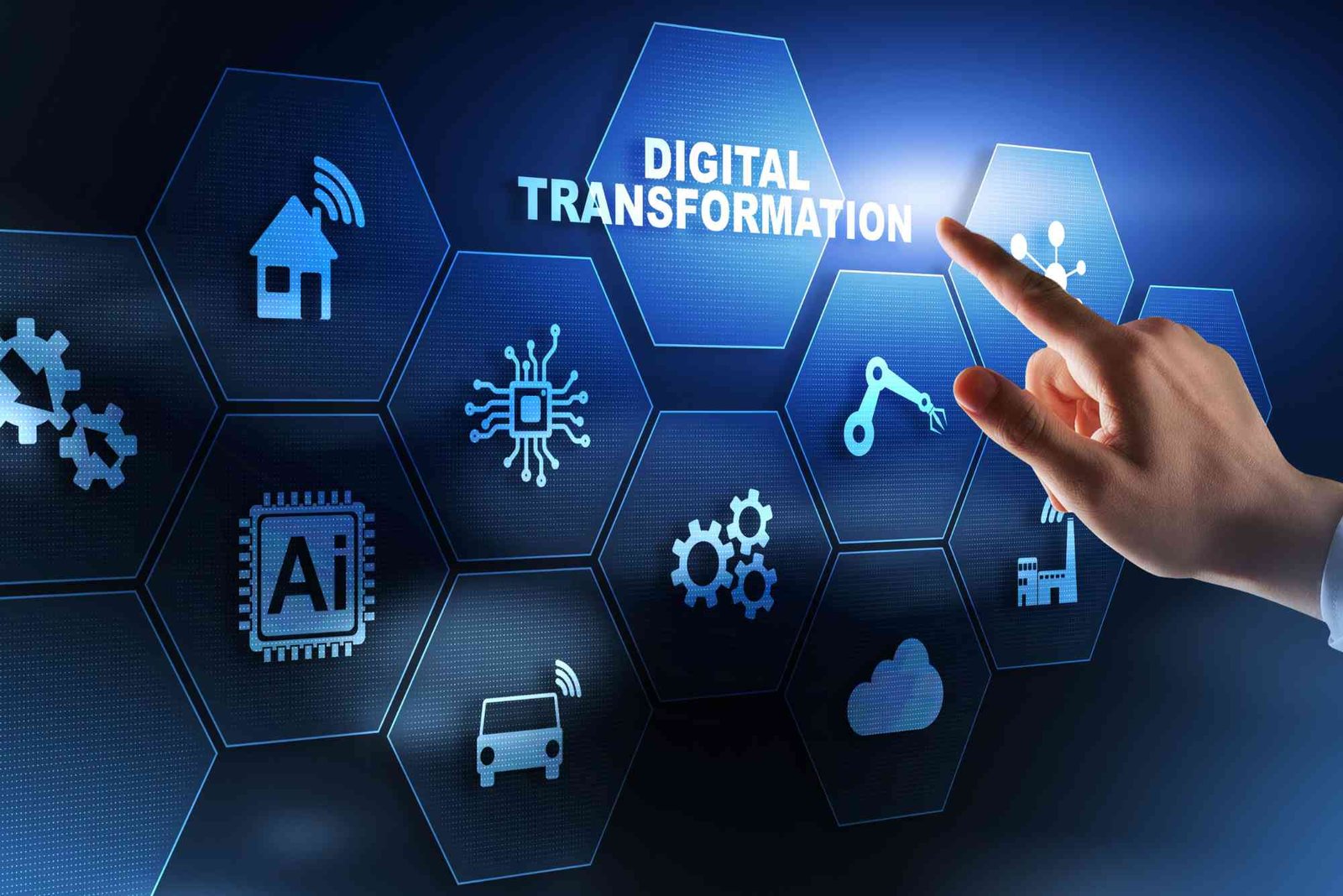
In simple words, digital transformation is about improving efficiency, making data-driven decisions, enhancing customer experience, and staying competitive in a connected world. It leverages technologies such as cloud computing, artificial intelligence (AI), the Internet of Things (IoT), and data analytics to reimagine business models.
Organizations embracing digital transformation focus on three main areas:
Processes – Streamlining operations to be faster and more efficient.
Customer Experience – Creating seamless interactions that delight users.
Business Models – Innovating how products and services are delivered.


Why Digital Transformation Matters
The importance of digital transformation cannot be overstated. Businesses today face intense competition, changing customer expectations, and disruptive technologies. Adopting digital strategies is no longer optional; it’s essential.
Digital transformation allows companies to:
Respond quickly to market changes.
Reduce operational costs by automating manual tasks.
Deliver personalized experiences that build customer loyalty.
Unlock insights through data analytics for smarter decisions.
Companies that ignore digital transformation risk losing relevance. Consumers now expect instant services, online interactions, and highly personalized experiences. Without a digital approach, meeting these expectations becomes nearly impossible.
Examples of Digital Transformation in Action
To make the concept more tangible, here are some real-world examples of digital transformation:
Large retailers use AI-powered analytics to forecast inventory needs and personalize marketing campaigns. Banks offer mobile apps that allow customers to transfer money, deposit checks, and manage accounts without visiting a branch. Healthcare providers adopt telemedicine solutions, enabling virtual consultations and digital records for improved patient care.
Even small businesses are benefiting. A local restaurant can implement online ordering systems, digital payments, and social media marketing to reach more customers efficiently. Digital transformation is not limited to large enterprises—it’s about leveraging technology to solve real-world problems.
Key Technologies Driving Digital Transformation
Several technologies play a critical role in enabling digital transformation. Understanding these can clarify how businesses achieve digital maturity.
Cloud Computing allows organizations to store and access data remotely, reducing infrastructure costs and enabling remote work.
Artificial Intelligence (AI) helps in automating tasks, analyzing vast amounts of data, and predicting customer behavior.
The Internet of Things (IoT) connects devices to collect real-time data, enhancing decision-making and operational efficiency.
Data Analytics transforms raw data into actionable insights, helping businesses understand trends and optimize processes.
Automation Tools streamline repetitive tasks, freeing employees to focus on more strategic initiatives.
Steps to Implement Digital Transformation
Implementing digital transformation may seem overwhelming, but breaking it into clear steps makes it manageable.
First, businesses need to assess their current processes and identify areas where technology can create the most impact. This involves understanding customer pain points, operational inefficiencies, and gaps in existing systems.
Next, organizations should set clear goals. Whether the objective is faster service, better analytics, or enhanced customer engagement, having measurable targets is crucial.
Choosing the right technology solutions comes next. This decision should align with the company’s strategic goals, budget, and existing infrastructure. Adopting a flexible, scalable solution ensures long-term success.
Employee training and cultural change are equally important. Digital transformation fails if staff do not understand or embrace new tools and workflows. Creating a culture that values innovation and continuous learning is key.
Finally, businesses must continuously monitor performance and iterate. Digital transformation is not a one-time project; it’s an ongoing process of improvement and adaptation.
Common Challenges in Digital Transformation
Despite its benefits, digital transformation comes with challenges. Resistance to change is one of the biggest hurdles. Employees accustomed to traditional methods may hesitate to adopt new technologies.
Another challenge is choosing the right technology. With countless tools available, businesses can become overwhelmed and make poor decisions that do not align with their strategy.
Data security is also a critical concern. Digital transformation often involves storing sensitive information online, making robust cybersecurity measures essential.
Budget constraints, lack of skilled personnel, and unclear goals can further hinder the transformation journey. Recognizing these challenges early allows organizations to plan effectively and mitigate risks.
The Role of Leadership in Digital Transformation
Strong leadership is vital for successful digital transformation. Leaders must articulate a clear vision, inspire their teams, and ensure alignment across all departments.
Digital transformation is not just the IT department’s responsibility—it requires collaboration across marketing, operations, finance, and customer service. Leaders who communicate the benefits and set realistic expectations help create a culture where innovation thrives.
Furthermore, leaders must prioritize continuous learning. The digital landscape evolves rapidly, and staying ahead requires an adaptive mindset and willingness to explore new solutions.
Measuring the Success of Digital Transformation
How can businesses know if their digital transformation efforts are working? Success can be measured through a combination of qualitative and quantitative metrics.
Customer satisfaction and engagement are key indicators. Improved response times, higher retention rates, and positive feedback signal that transformation efforts are paying off.
Operational efficiency metrics, such as reduced processing time or lower operational costs, reflect the effectiveness of digital processes. Revenue growth, market share, and employee productivity also provide insights into the overall impact.
Regularly reviewing these metrics ensures continuous improvement and allows organizations to adapt strategies as needed.
Future of Digital Transformation
The future of digital transformation is bright and rapidly evolving. Emerging technologies like augmented reality, blockchain, and advanced AI will further reshape how businesses operate.
Companies that embrace innovation will be better positioned to meet future challenges and capture new opportunities. The ability to anticipate trends, respond to customer demands, and operate efficiently will define the leaders of tomorrow.
Digital transformation is no longer about keeping up—it’s about staying ahead in a competitive digital world.
Digital transformation is a journey, not a destination. In simple words, it is about using technology to improve business processes, enhance customer experience, and drive growth. Businesses of all sizes can benefit from adopting digital strategies, but success requires vision, leadership, and a commitment to continuous learning.
If your business is ready to embrace digital transformation, start by evaluating your current processes, setting clear goals, and exploring the technologies that best fit your needs. The future belongs to those who adapt, innovate, and leverage technology to create real value.
Take the first step today, and transform your business for the digital age.
FAQ
What is digital transformation in simple words?
Digital transformation is the use of technology to improve business processes, customer experiences, and operations.
Why is digital transformation important for businesses?
It helps companies stay competitive, reduce costs, improve efficiency, and meet modern customer expectations.
What are examples of digital transformation?
Examples include online banking, cloud-based services, AI-driven analytics, telemedicine, and automated customer support.
What technologies are used in digital transformation?
Cloud computing, AI, IoT, data analytics, and automation tools are key enablers of digital transformation.
How can a company start its digital transformation journey?
Begin by assessing current processes, setting goals, choosing the right technologies, training staff, and monitoring results.
What challenges do businesses face in digital transformation?
Challenges include resistance to change, budget limits, choosing the wrong tools, data security concerns, and lack of skilled personnel.
KEY TAKEAWAY & INSIGHT
In an era dominated by superficial headlines, deep analytical reporting and editorial nuance remain the true markers of reliable media leadership.

mdi03
Senior Editorial Columnist & Technology Strategist at Butternut Note. Specializing in future tech, market trends, and luxury design.