
Introduction
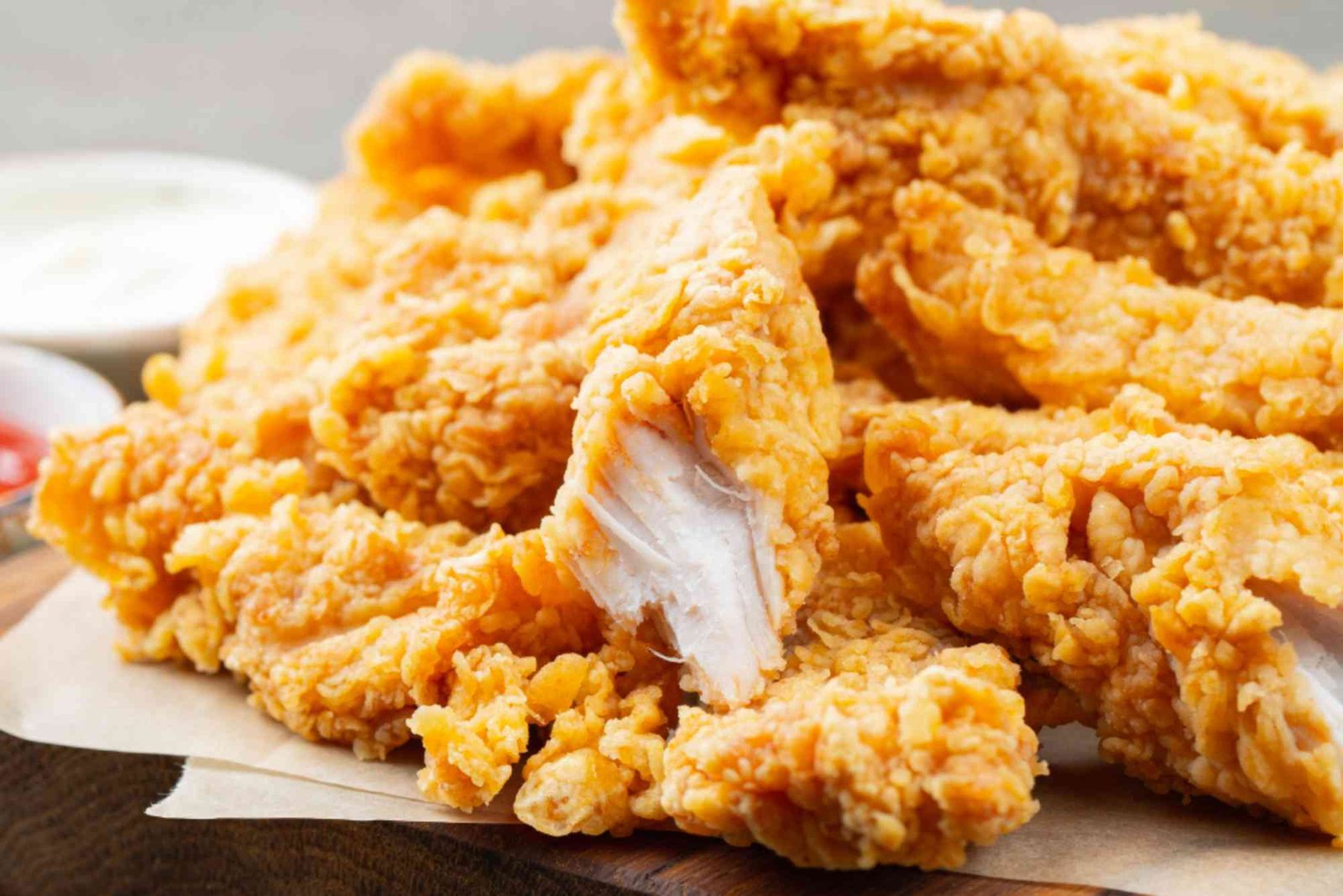
Crispy food has a unique appeal that satisfies both the taste buds and the senses. Whether it’s a golden fried chicken, perfectly baked fries, or crunchy vegetables, the texture adds an irresistible dimension to any dish. Achieving that satisfying crunch at home can seem tricky, but with the right techniques and a few insider tips, you can recreate restaurant-quality crispiness in your own kitchen. This guide will walk you through practical methods, ingredient tips, and cooking strategies to help you master the art of crispy food at home.
Understanding What Makes Food Crispy
Before diving into cooking methods, it’s important to understand why some foods turn crispy while others do not. The crispiness in food comes from moisture reduction and a well-formed crust. High heat plays a crucial role, as it evaporates water on the surface quickly, leaving a firm, crunchy texture. Starches, flours, and coatings also influence crispiness by forming a crust that locks in texture. Choosing the right ingredients and understanding their properties is key to creating consistently crispy dishes at home.
Choosing the Right Ingredients
The foundation of crispy food begins with selecting quality ingredients. Fresh vegetables, well-cut potatoes, and proteins like chicken or fish absorb coatings better and develop a more appealing crunch. Using ingredients with lower water content also helps, as excessive moisture can prevent crispiness. For example, starchy potatoes like Russets yield crispier fries, while denser vegetables like carrots or parsnips hold their shape better when baked or fried.
In addition to the main ingredients, the coating plays a crucial role. Cornstarch, rice flour, or panko breadcrumbs are excellent for creating a crunchy layer. Cornstarch is ideal for frying as it forms a light, crisp shell without overpowering flavor. Panko breadcrumbs provide an airy crunch perfect for baked or fried foods. Mixing coatings with seasonings like salt, paprika, or garlic powder adds extra flavor while enhancing texture.
Preparing Food for Crispiness
Proper preparation can make or break your attempt at crispy food. Patting ingredients dry is essential, as water interferes with frying or baking. For proteins, marinating in a light brine or buttermilk can tenderize the interior while allowing the coating to stick better. Vegetables may benefit from a brief soak in cold water to remove excess starch, which can prevent sogginess when fried or baked.
Cutting food evenly is another crucial step. Uniform pieces ensure that every part cooks at the same rate, preventing undercooked centers or overcooked exteriors. Thin slices or evenly sized cubes allow for better heat penetration, resulting in a consistent, crispy texture. Seasoning before cooking is also key; it enhances flavor and helps create a golden, flavorful crust.


Cooking Techniques for Crispiness
Frying
Frying is the most common method for achieving crispy food. Hot oil rapidly cooks the outer layer, forming a golden crust while keeping the inside tender. Maintaining the correct oil temperature is critical. Too low, and food will absorb excess oil and become greasy. Too high, and the exterior may burn before the inside is fully cooked. A thermometer helps maintain consistent heat, usually between 350°F to 375°F for most fried foods.
For best results, fry in small batches to avoid overcrowding, which can lower oil temperature and reduce crispiness. Double frying is another professional technique that improves texture. Fry the food once to cook through, remove, then fry again at a higher temperature to achieve maximum crunch.
Baking
Baking offers a healthier alternative to frying without sacrificing crispiness. Preheating the oven and using high heat encourages moisture evaporation. Coating food with oil or a light layer of batter can enhance crispiness. For example, roasted vegetables or baked chicken can develop a satisfying crunch by coating them in oil and breadcrumbs and arranging them in a single layer on a baking sheet. Using a wire rack allows air circulation underneath, preventing soggy bottoms and ensuring uniform crispiness.
Air Frying
Air fryers have revolutionized home cooking by creating crispy food with minimal oil. They work by circulating hot air at high speeds, mimicking the effects of deep frying. Lightly coating food with oil and seasoning allows the exterior to crisp while keeping the interior moist. Air fryers are ideal for frozen snacks, homemade fries, or breaded chicken, offering a quick and convenient way to achieve restaurant-style crunch.
Pan-Seared and Sautéed Techniques
For thin foods like cutlets, fish fillets, or tofu, pan-searing or sautéing can produce a crisp exterior. Preheat a heavy-bottomed skillet and add a thin layer of oil to create even heat distribution. Avoid moving the food too early; letting it sit undisturbed ensures a golden crust forms. Finishing with a high heat sear or a brief broil can further enhance crunchiness.
Tips and Tricks for Consistent Results
Several small but significant adjustments can improve crispiness:
- Use dry coatings: Flour or breadcrumbs absorb moisture and help form a firm crust.
- Temperature control: Keep frying or baking at consistent high heat for even cooking.
- Rest before serving: Allow fried or baked items to drain on a wire rack to prevent steam from softening the crust.
- Add acidity: Ingredients like lemon juice or vinegar in marinades can tenderize proteins and enhance coating adhesion.
- Avoid overcrowding: Ensure each piece has space to cook evenly without steaming.
These techniques, when combined, provide a reliable approach to crispy food at home, whether fried, baked, or air-fried.
Flavor Enhancements for Crispy Food
Crispiness is just one aspect of a memorable dish; flavor matters equally. Incorporate herbs, spices, or flavored oils into your coatings. Garlic powder, smoked paprika, or curry powders can add depth. Infusing oil with aromatics like rosemary or thyme can elevate fried foods. Even subtle finishing touches like a light sprinkle of salt immediately after frying can enhance both flavor and texture.
Pairing crispy foods with complementary sauces also balances textures and flavors. Tangy dips, creamy dressings, or spicy salsas contrast with crunchiness, making every bite satisfying. Homemade sauces made from yogurt, herbs, or citrus can elevate simple crispy dishes into gourmet experiences.
Common Mistakes to Avoid
Despite best efforts, crispy food can fail due to a few common mistakes. Excess moisture is a primary culprit, causing soggy results. Not using enough heat or overcrowding the pan can prevent proper crust formation. Skipping the drying or coating steps can also compromise texture. Understanding and avoiding these pitfalls ensures every attempt yields the desired crunch.
Another mistake is inconsistent cutting. Uneven pieces cook unevenly, leaving some parts soft and others overly crisp. Careful preparation, proper heat control, and attention to detail make all the difference.
Storing and Reheating Crispy Food
Maintaining crispiness after cooking can be challenging. Store leftovers in airtight containers to prevent moisture absorption. Avoid covering food while it’s still hot, as trapped steam will soften the crust. Reheating in an oven or air fryer rather than a microwave helps restore crispiness. A short blast of high heat quickly evaporates any moisture on the surface, reviving the crunchy texture.
Making crispy food at home is an art that combines science, technique, and a bit of patience. From choosing the right ingredients to mastering frying, baking, or air-frying, each step contributes to achieving that irresistible crunch. By following these methods, you can enjoy restaurant-quality crispy dishes anytime, enhancing your home cooking experience. Start experimenting with different coatings, seasonings, and cooking methods today to bring satisfying crunch to every meal.
Ready to take your crispy food skills to the next level? Try these techniques on your favorite recipes and discover the joy of perfectly crunchy dishes at home.
Looking for the best food ideas for quick breakfast? Start your day with easy, nutritious, and delicious options that save time. From overnight oats, smoothies, and avocado toast to quick egg recipes and breakfast wraps, these meals are perfect for busy mornings. Enjoy a satisfying breakfast without the rush and keep your energy high all day. Discover simple ideas to make mornings tasty and hassle-free.
Frequently Asked Questions
How do I make fried food crispy without deep frying?
You can achieve crispiness by using an air fryer or baking with a light coating of oil and breadcrumbs.
Why does my food become soggy after frying?
Soggy results are often caused by excess moisture, low oil temperature, or overcrowding the pan.
Can I make crispy vegetables without oil?
Yes, air frying or using a hot oven with a wire rack allows vegetables to crisp without excess oil.
What coating is best for crispy chicken?
A combination of flour, cornstarch, and seasonings creates a light, crunchy coating that adheres well.
How can I keep crispy food crunchy after storing?
Store in airtight containers, avoid covering hot food immediately, and reheat in an oven or air fryer.
KEY TAKEAWAY & INSIGHT
In an era dominated by superficial headlines, deep analytical reporting and editorial nuance remain the true markers of reliable media leadership.

mdi03
Senior Editorial Columnist & Technology Strategist at Butternut Note. Specializing in future tech, market trends, and luxury design.