Introduction
As we step into 2026, home decoration continues to evolve, blending style, functionality, and sustainability. Homeowners are looking for spaces that reflect personal identity while embracing comfort and innovation. From bold colors to eco-conscious materials, the top home decoration trends for 2026 promise a fresh approach to interior design. These trends are not just about aesthetics; they focus on creating environments that improve well-being and foster creativity.
The Rise of Sustainable and Eco-Friendly Design
Sustainability has become a central theme in modern home décor. More homeowners are opting for furniture and décor items made from recycled or responsibly sourced materials. Eco-friendly paints, natural fabrics, and energy-efficient lighting are no longer optional—they are essential elements of contemporary homes. Using sustainable materials not only reduces environmental impact but also adds texture and authenticity to living spaces.
Designers in 2026 are emphasizing longevity. Instead of following fleeting fads, the focus is on investing in high-quality pieces that age gracefully. Handmade furniture, natural fibers, and organic textures are becoming staples in living rooms, kitchens, and bedrooms. This approach ensures a home feels personal and timeless.
Warm and Bold Color Palettes
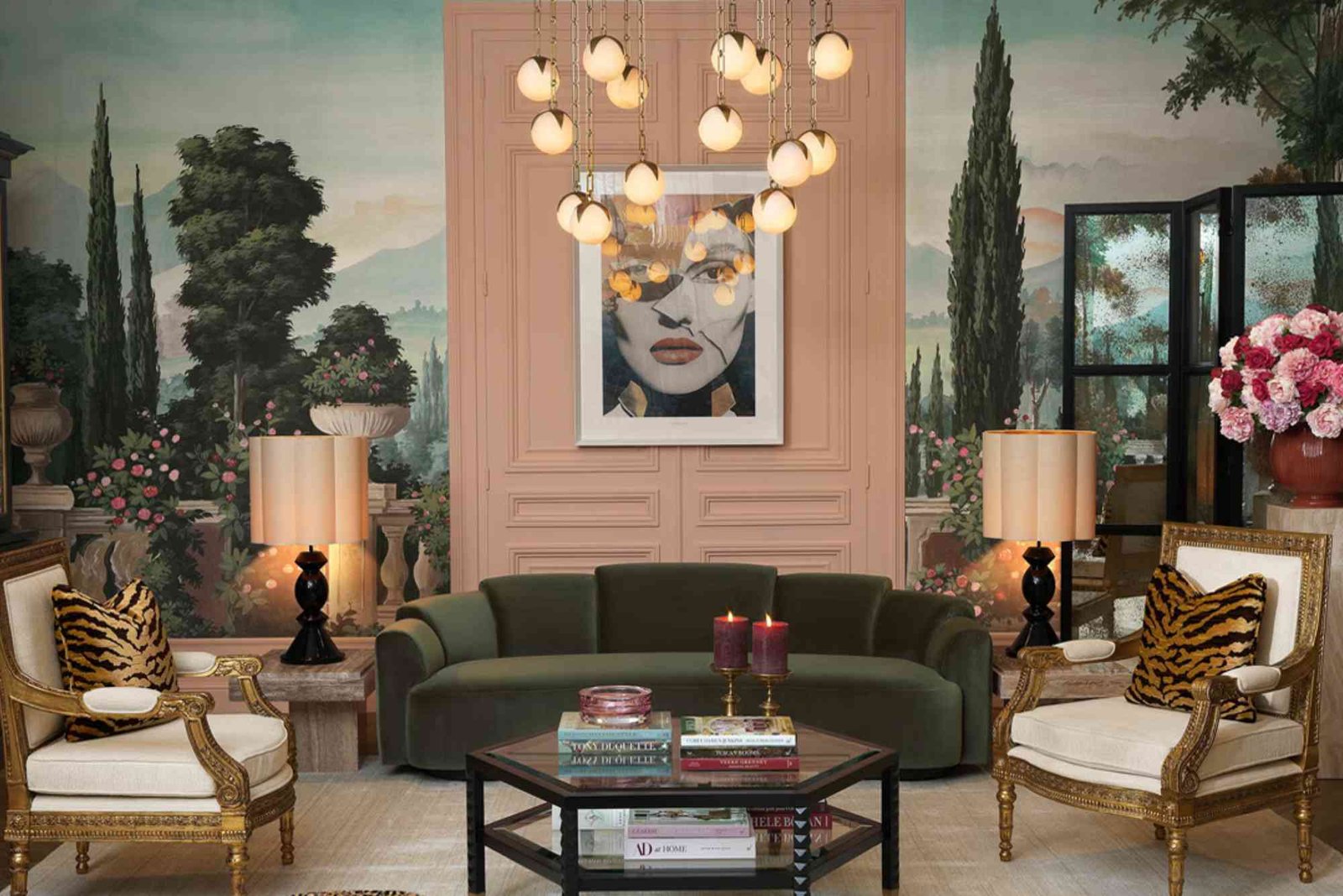
Color trends in 2026 are moving away from neutral monotones and embracing warmth and boldness. Deep ochres, burnt oranges, and earthy greens are making a strong comeback. These hues bring energy, comfort, and personality to interiors. Accent walls painted in rich shades can transform a room without overwhelming it.
Pastels are also taking a modern twist. Soft pinks, lavender tones, and powdery blues combine with natural materials to create a cozy, inviting ambiance. Mixing warm and soft shades allows homeowners to balance vibrancy with serenity, making spaces suitable for both relaxation and social interaction.
Multifunctional and Flexible Spaces
With remote work and hybrid lifestyles becoming the norm, homes in 2026 are designed for adaptability. Rooms are no longer single-purpose; living rooms double as workspaces, and bedrooms can serve as exercise or hobby zones. Modular furniture and movable partitions allow for customization without permanent renovations.


Smart furniture is gaining popularity. Foldable desks, storage-integrated seating, and extendable tables provide functionality without compromising style. These solutions make small apartments feel spacious and versatile while maintaining a modern aesthetic.
Biophilic Design and Indoor Nature
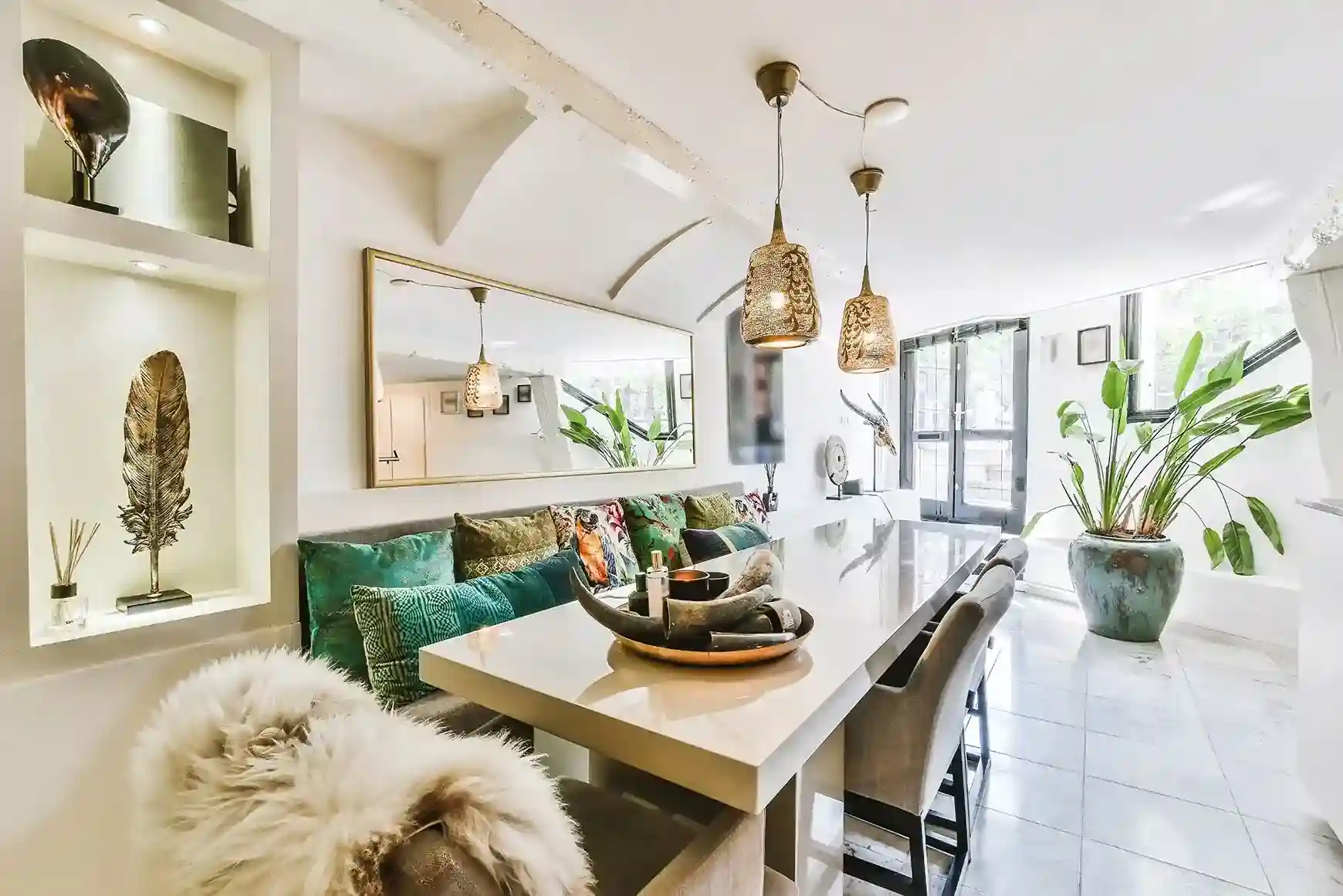
Integrating nature into interiors remains a key trend. Biophilic design—connecting people with natural elements—is expected to dominate in 2026. Indoor plants, green walls, and water features improve air quality and add a calming effect. Natural textures, such as wood, stone, and rattan, complement this approach.
Large windows and open layouts enhance natural light, creating a seamless connection between indoor and outdoor spaces. By combining greenery with natural materials, homes feel more vibrant, refreshing, and harmonious. This design philosophy nurtures well-being and mental clarity.
Minimalism with Personal Touches
Minimalist interiors continue to appeal, but 2026 sees a more personalized interpretation. Clean lines, uncluttered spaces, and muted tones are paired with meaningful décor pieces. Artwork, family heirlooms, and curated collections add character and warmth.
Instead of empty rooms, minimalism now focuses on intentional design. Each object has a purpose and contributes to the overall atmosphere. This approach emphasizes quality over quantity and encourages homeowners to invest in items that bring joy and function.
Technology-Integrated Interiors
Smart home technology is seamlessly merging with decoration. From intelligent lighting and climate control to voice-activated assistants, 2026 interiors are designed to be both beautiful and efficient. Designers are embedding technology into furniture and fixtures, making it less visible and more intuitive.
Lighting plays a crucial role in ambiance. Adjustable LEDs, color-changing bulbs, and automated systems allow homeowners to customize environments based on mood or activity. Technology in home decoration enhances comfort, convenience, and energy efficiency.
Texture and Layering
Texture is a major trend that adds depth and dimension to interiors. Mixing fabrics, finishes, and materials creates visual interest and tactile appeal. Velvet cushions, woven rugs, and matte metals combine effortlessly in contemporary spaces. Layering different textures gives a room a curated, dynamic feel.
Designers in 2026 are moving beyond uniformity. Contrasts between smooth surfaces and rough textures, shiny and matte finishes, or soft and structured elements create a rich sensory experience. Layering also allows homeowners to showcase personality and style without cluttering spaces.
Statement Furniture and Art Pieces
Bold statement furniture is gaining attention. Oversized chairs, sculptural tables, and artistic shelving units serve as conversation starters while anchoring a room. Artistic décor items, from handcrafted ceramics to large-scale paintings, emphasize individuality.
These pieces act as focal points, guiding the eye and elevating a room’s aesthetic. In 2026, homes are less about uniformity and more about showcasing personality through unique, high-impact design elements.
Emphasis on Comfort and Wellness
Home interiors increasingly prioritize comfort and well-being. Soft furnishings, ergonomic furniture, and cozy corners encourage relaxation. Wellness-oriented spaces include meditation areas, reading nooks, and spa-inspired bathrooms. Natural light, soothing colors, and indoor plants contribute to mental and emotional health.
The idea of a home as a sanctuary is central to 2026 design. Interiors are no longer purely visual; they support lifestyle, mental health, and physical comfort. Comfort-driven design coexists with modern aesthetics, creating spaces that are both functional and nurturing.
FAQ
What are the key home decoration trends for 2026?
The main trends include sustainable materials, warm color palettes, multifunctional spaces, biophilic design, personalized minimalism, and smart technology.
How can I make my home feel modern in 2026?
Incorporate bold colors, statement furniture, layered textures, and integrate smart home technology for both style and convenience.
Are eco-friendly materials important in 2026 home décor?
Yes, using sustainable and recycled materials is both stylish and environmentally responsible. It adds authenticity and longevity to interiors.
How can I integrate nature into my home design?
Add indoor plants, water features, natural textures, and maximize natural light to create a biophilic and calming environment.
What is multifunctional design, and why is it trending?
Multifunctional design allows rooms to serve multiple purposes, like living areas doubling as workspaces. It offers flexibility for modern lifestyles
KEY TAKEAWAY & INSIGHT
In an era dominated by superficial headlines, deep analytical reporting and editorial nuance remain the true markers of reliable media leadership.

mdi03
Senior Editorial Columnist & Technology Strategist at Butternut Note. Specializing in future tech, market trends, and luxury design.