
Introduction
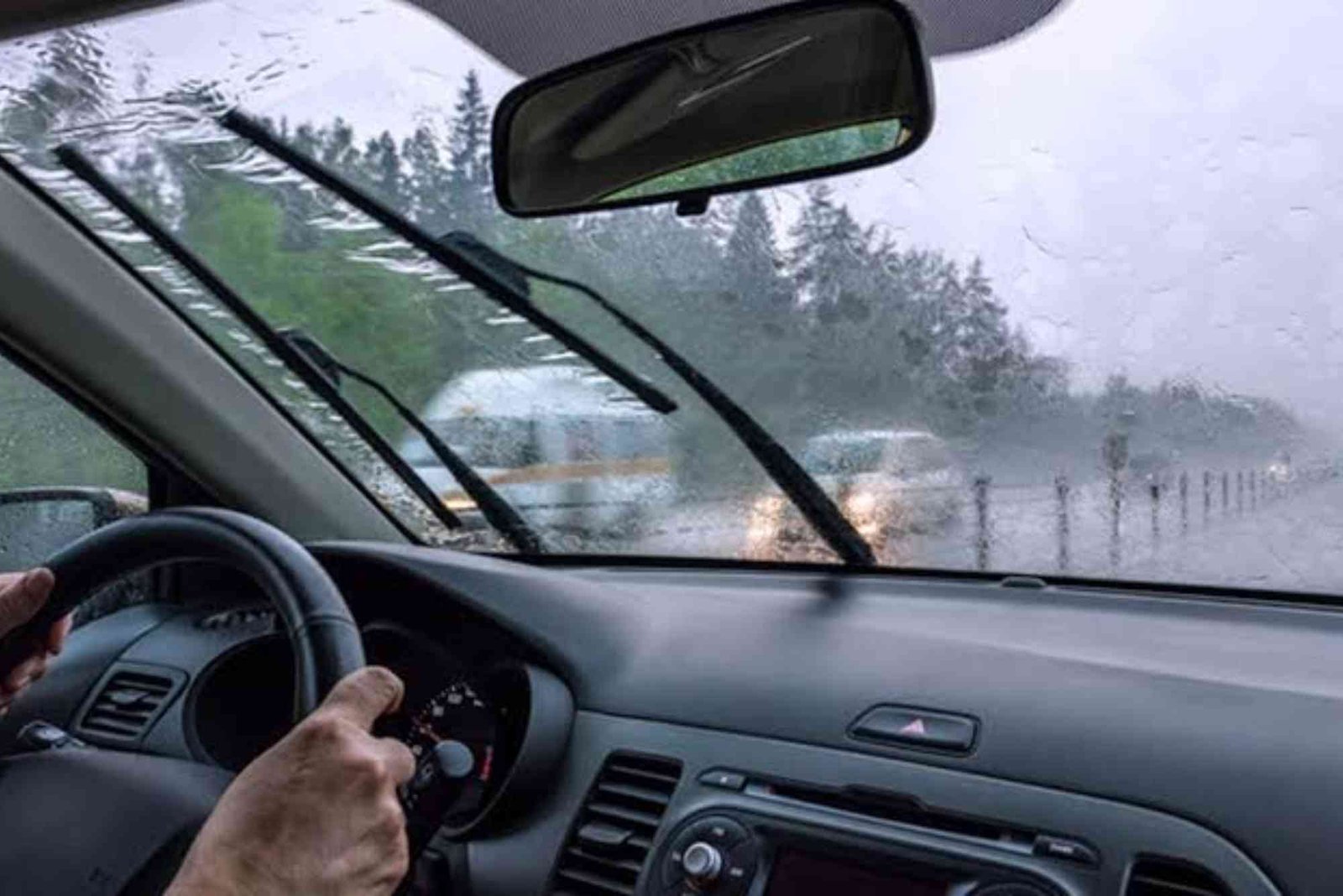
Driving during rainy weather can be challenging, even for experienced drivers. Wet roads, reduced visibility, and slippery surfaces can increase the chances of accidents. Therefore, following the Best Automobile Tips for Driving in Rainy Weather helps drivers maintain better control and protect both themselves and their vehicles.
Rain affects many parts of a vehicle, including tires, brakes, lights, and engine performance. A properly maintained automobile performs better during heavy rain and provides extra safety on the road. By understanding how to prepare your car and adjust your driving habits, you can handle rainy conditions with more confidence.
This guide explains practical rainy weather driving tips that every vehicle owner should know. These suggestions focus on vehicle preparation, safe driving techniques, and maintenance steps that improve performance during wet conditions.
Best Automobile Tips for Driving in Rainy Weather for Vehicle Safety
Rainy weather requires extra attention because roads become unpredictable. Water reduces tire grip and increases stopping distance. As a result, drivers should make small adjustments to their driving style.
Before traveling, check your vehicle’s condition. A quick inspection can prevent common problems and improve safety. Your tires, windshield system, and lights should always be ready for wet weather.
A well-maintained automobile handles rain better than a neglected one. Regular servicing also helps identify problems before they become dangerous during difficult driving conditions.


Check Your Tires Before Driving in Rain
Tires are one of the most important parts of safe rainy weather driving. They provide contact between your vehicle and the road. When roads become wet, proper tire condition becomes even more important.
Worn tires have less ability to remove water from the road surface. This can cause a dangerous situation called hydroplaning, where tires lose contact with the road.
Always check tire pressure according to your vehicle manufacturer’s recommendation. Incorrect tire pressure can reduce handling ability and increase tire wear.
Also, inspect the tire tread regularly. Good tread depth helps water move away from the tires and improves road grip during rainfall.
Maintain Clear Visibility During Rainy Weather
Reduced visibility is one of the biggest challenges when driving in rain. Heavy rainfall can make it difficult to see other vehicles, road signs, and obstacles.
Your windshield wipers should work properly before the rainy season begins. Old or damaged wiper blades may leave water marks and reduce visibility.
Clean your windshield regularly because dirt and oil can make visibility worse when combined with rainwater. A clear windshield allows you to react faster to road conditions.
Additionally, make sure your headlights and brake lights are functioning correctly. Lights help you see better and allow other drivers to notice your vehicle.
Drive Slowly and Maintain Safe Distance
One of the most important Best Automobile Tips for Driving in Rainy Weather is reducing your speed. Wet roads require more time to stop because tires have less grip.
Driving at high speed increases the risk of losing control. A slower speed gives you more reaction time and improves vehicle stability.
Maintain a greater distance from the vehicle ahead. During rain, braking distances become longer, so extra space provides additional safety.
Avoid sudden acceleration, hard braking, and sharp turns. Smooth driving movements help your vehicle remain balanced on slippery roads.
Understand How Rain Affects Vehicle Performance
Rain can affect different vehicle systems. Water exposure may reduce brake effectiveness temporarily, especially after driving through deep water.
After passing through water, gently press the brake pedal several times when safe. This helps remove moisture and restores normal braking performance.
Heavy rain can also affect electrical components if your vehicle has existing issues. Regular maintenance reduces the risk of electrical failures during storms.
Drivers should understand their vehicle’s limits. Every automobile reacts differently depending on tire condition, weight, and mechanical health.
Use Proper Lighting During Rain
Many drivers forget the importance of vehicle lights during rainfall. Proper lighting improves visibility for both you and other road users.
Turn on headlights when rain reduces visibility. This makes your vehicle easier to notice from a distance.
Avoid using high beams during heavy rain because light can reflect from water droplets and create glare. This may make visibility worse.
Check your vehicle’s lights regularly. Clean lenses and working bulbs ensure maximum performance during poor weather.
Avoid Driving Through Deep Water
Flooded roads can hide dangerous conditions underneath. Deep water may contain potholes, damaged surfaces, or debris.
Driving through deep water can damage your engine, brakes, and electrical systems. In severe cases, water can enter the engine and cause expensive repairs.
If you cannot judge the depth of water, avoid crossing it. Finding an alternative route is safer than risking vehicle damage.
When water is unavoidable, drive slowly and maintain steady movement. Avoid creating large waves that may affect nearby vehicles.
Prepare Your Car Before the Rainy Season
Preparation is a key part of the Best Automobile Tips for Driving in Rainy Weather. A vehicle inspection before the rainy season can prevent unexpected problems.
Check your brakes, tires, battery, lights, and windshield system. These components play an important role in rainy driving safety.
Replace worn parts before heavy rainfall begins. Small maintenance expenses can prevent larger repair costs later.
Keep emergency items inside your vehicle. A basic emergency kit can be helpful during unexpected weather situations.
Improve Driving Techniques for Wet Roads
Rainy roads require patience and awareness. Drivers should focus on maintaining smooth control rather than rushing.
Avoid sudden lane changes because wet surfaces reduce stability. Check mirrors carefully before changing direction.
Be careful when driving around curves. Reduce speed before turning and avoid aggressive steering movements.
Stay alert around trucks and buses because large vehicles can create water spray that reduces visibility.
Maintain Your Vehicle After Rainy Drives
Vehicle care should continue after driving in wet conditions. Rainwater can contain dirt and chemicals that affect vehicle surfaces.
Wash your vehicle regularly to remove harmful deposits. This helps protect the paint and metal components.
Check your brakes after frequent rainy driving. If you notice unusual sounds or reduced performance, schedule a professional inspection.
Also, keep the interior dry. Excess moisture inside the vehicle can create unpleasant smells and damage materials.
Common Mistakes Drivers Make in Rain
Many accidents happen because drivers underestimate rainy conditions. Some common mistakes include driving too fast, following vehicles too closely, and ignoring maintenance.
Using damaged wipers or worn tires can create unnecessary risks. These small issues become serious when weather conditions become difficult.
Another mistake is assuming that four-wheel drive vehicles are completely safe in rain. While they may provide better traction in some situations, they still require careful driving.
Every driver should remember that technology cannot replace responsible behavior.
Benefits of Following Rainy Weather Driving Tips
Following the Best Automobile Tips for Driving in Rainy Weather provides several advantages. It improves road safety, reduces vehicle stress, and creates a more comfortable driving experience.
Proper preparation helps prevent accidents caused by poor visibility and slippery roads. It also protects important vehicle components from rain-related damage.
Safe driving habits also reduce repair expenses. Careful handling prevents unnecessary wear on tires, brakes, and other systems.
Most importantly, responsible driving protects everyone sharing the road.
Understanding the right information about What to Know About Where and Can helps readers make better decisions with confidence. Whether exploring locations, available options, or important factors before choosing, having clear knowledge can save time and avoid confusion. Researching reliable sources and understanding key details ensures smarter choices and better outcomes for any situation.
Frequently Asked Questions
What is the safest speed to drive in heavy rain?
The safest speed depends on road conditions, traffic, and visibility. Drivers should reduce speed below normal limits when roads become wet. A slower speed allows better control and shorter reaction times.
Should I use headlights while driving in rain?
Yes, using headlights during rain improves visibility. It helps you see the road better and allows other drivers to notice your vehicle.
How can I prevent my car from skidding in rain?
To prevent skidding, maintain good tires, drive slowly, avoid sudden movements, and keep a safe distance from other vehicles.
Is it safe to drive through flooded roads?
Driving through flooded roads can be risky. Deep water may damage your engine and electrical systems. Avoid water when you cannot determine its depth.
How often should I check my tires during rainy weather?
You should check tire condition regularly, especially before rainy seasons. Proper tire pressure and tread condition improve safety on wet roads.
Conclusion
Rainy weather driving requires preparation, patience, and proper vehicle care. Following the Best Automobile Tips for Driving in Rainy Weather helps improve safety and protects your automobile from weather-related problems.
Related Reading: How to Improve Your Automobile Driving Comfort
Related Reading: How tips 4 for to — full guide
KEY TAKEAWAY & INSIGHT
In an era dominated by superficial headlines, deep analytical reporting and editorial nuance remain the true markers of reliable media leadership.

maria
Senior Editorial Columnist & Technology Strategist at Butternut Note. Specializing in future tech, market trends, and luxury design.