Introduction
Accessorizing is the secret ingredient that can transform a simple outfit into a stunning, memorable look. The right accessories not only enhance your style but also reflect your personality and attention to detail. However, choosing the perfect combination can feel overwhelming. This guide will show you how to accessorize your outfits perfectly, offering practical tips for every occasion and style.
Understanding the Role of Accessories
Accessories are more than decorative items; they are tools to express style and individuality. They can highlight your features, balance proportions, and add layers of sophistication. Understanding the role of different accessories helps you make intentional choices rather than relying on chance.
Elevating Simple Outfits
Even a basic outfit like a white tee and jeans can look chic with the right accessories. A statement necklace, a colorful scarf, or a bold belt can instantly elevate your look. Accessories add visual interest and transform casual ensembles into polished appearances.
Reflecting Personal Style
Accessories are an extension of your personality. Minimalist jewelry conveys elegance, while chunky pieces can express creativity and boldness. Choosing accessories that align with your personal style ensures consistency and confidence in your outfits.
Jewelry: Making a Statement
Jewelry is the cornerstone of accessorizing. It can subtly enhance your outfit or become the focal point.
Necklaces and Pendants
Choosing the right necklace depends on your neckline. A V-neck looks best with a pendant that mirrors its shape, while a crew neck benefits from layered chains or chokers. Long necklaces can elongate the torso, adding a slimming effect.
Earrings That Complement
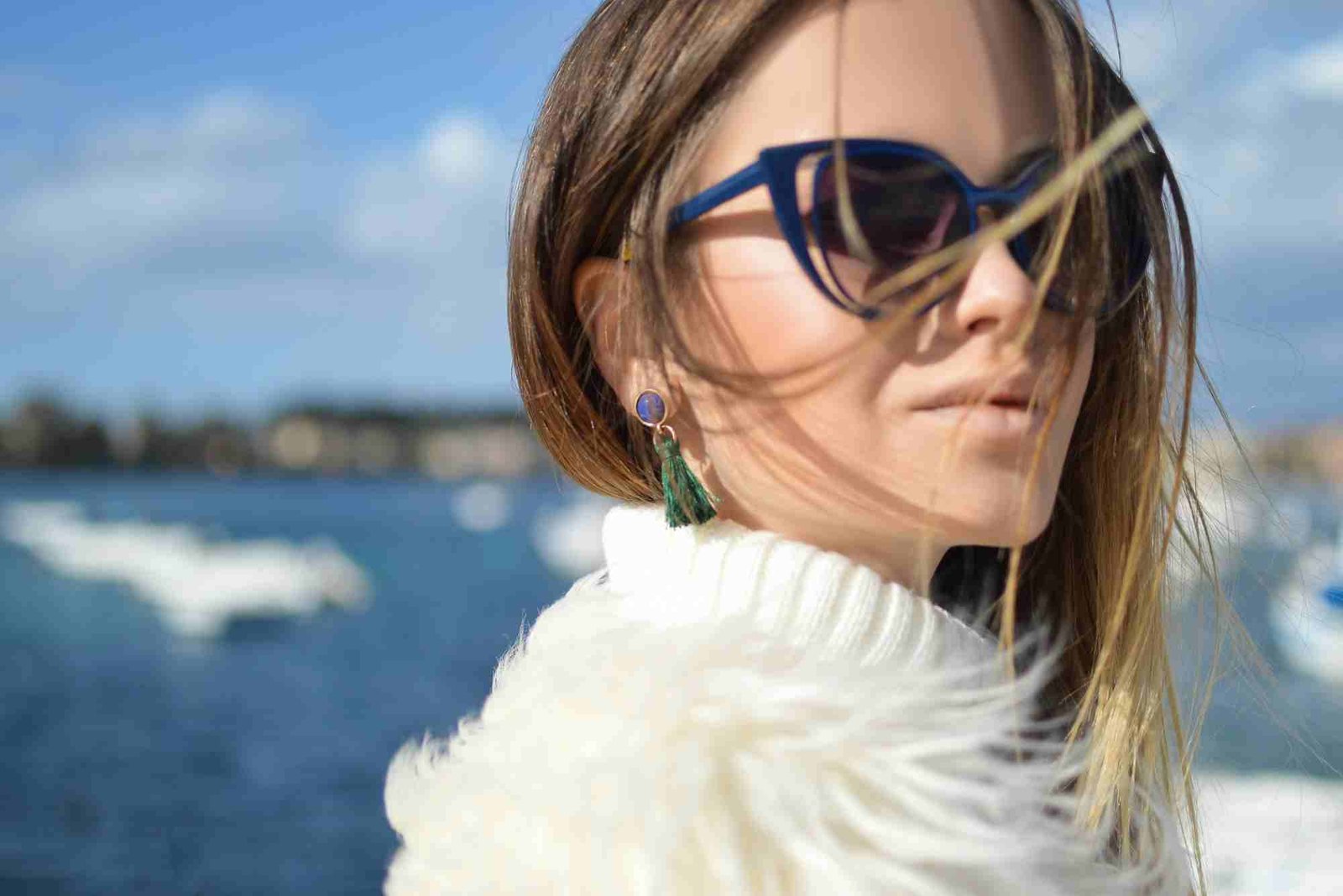
Earrings frame your face and draw attention upward. Small studs work for professional settings, while statement earrings shine at parties. Consider your hairstyle: updos showcase earrings, while loose hair pairs well with subtle studs.
Bracelets and Rings
Stacking bracelets or rings can create a cohesive and stylish look. Mix textures and metals carefully, ensuring they complement your outfit without appearing chaotic.
Bags and Belts: Practical Style Enhancers
Beyond jewelry, functional accessories like bags and belts play a major role in styling.
Choosing the Right Bag
Your bag should match the occasion and outfit. A sleek clutch suits evening wear, while structured handbags elevate daytime outfits. Color coordination is key — neutral bags offer versatility, while vibrant shades add a pop of interest.
Belt Styling Tips
Belts define the waist and create a flattering silhouette. Wide belts accentuate curves, while thin belts subtly add detail. Matching belt color with shoes or bag can unify your look, creating a polished finish.
Scarves and Hats: Adding Dimension
Scarves and hats introduce texture, color, and seasonality to your outfits.
Scarves for All Seasons
Light scarves enhance spring and summer outfits, while chunky scarves add warmth and style in winter. Experiment with draping, knotting, or layering scarves to create unique looks.
Hats as Statement Pieces
Hats are both practical and fashionable. Wide-brimmed hats add elegance, while caps provide a casual, sporty vibe. Ensure hat style complements your face shape and outfit for a harmonious appearance.
Shoes: Grounding Your Style
Shoes are crucial in completing your look. They can either harmonize or contrast with your outfit.
Matching Shoes to Occasion
Heels elongate legs and suit formal settings, while sneakers provide comfort and casual flair. Consider color and texture to complement your outfit, avoiding clashes that distract from your overall style.
Experimenting with Statement Footwear
Bold shoes can become the centerpiece of your ensemble. Metallics, prints, or unique silhouettes draw attention and showcase personality. Pair statement footwear with simple outfits to maintain balance.
Layering Accessories: Less is More
When combining multiple accessories, balance is essential. Avoid overcrowding by choosing one statement piece and supporting it with minimal complementary items. Mixing textures, metals, and colors can work if done thoughtfully.
Tips for Coordinated Layers
- Start with a key accessory and build around it.
- Stick to a cohesive color palette.
- Mix different textures but avoid clashing patterns.
- Keep functionality in mind — accessories should enhance, not hinder, movement.
Seasonal and Occasion-Based Accessorizing
Your approach to accessorizing should adjust according to the season and occasion.
Casual Day Out
Light jewelry, a crossbody bag, and comfortable shoes work well. Avoid excessive layering to keep your outfit fresh and easygoing.
Office and Professional Settings
Opt for minimalistic jewelry, structured handbags, and classic shoes. A statement watch or subtle scarf can add personality without appearing overdone.
Evening and Special Events
Bold necklaces, sparkling earrings, elegant clutches, and high heels elevate your look. Accessories can be your standout feature, complementing dresses or tailored suits.
Accessorizing Tips for Different Body Types
Accessories can enhance your body’s natural proportions when chosen thoughtfully.
Petite Figures
Vertical lines, long necklaces, and pointed shoes elongate the frame. Avoid overly large accessories that overwhelm your silhouette.
Tall Figures
Chunkier pieces and wide belts can balance height. Statement bags and scarves can also break up long lines and add dimension.
Curvy Figures
Belts at the waist and layered jewelry draw attention to your best features. Avoid heavy accessories near the hips to maintain proportion.
Mistakes to Avoid
Accessorizing can backfire if not done mindfully. Avoid these common pitfalls:
- Overloading your outfit with too many statement pieces.
- Clashing colors and patterns that distract.
- Wearing accessories that are disproportionate to your body size.
- Ignoring occasion-appropriate choices.
Mastering the art of accessorizing is about balance, personal style, and intention. Thoughtful jewelry, bags, belts, scarves, hats, and shoes can transform any outfit from ordinary to extraordinary. Practice, experiment, and trust your instincts. Start small with key pieces and gradually explore bolder combinations. Accessorizing perfectly is not about following every trend but about expressing your unique style confidently.
Elevate your outfits today by experimenting with accessories and discovering your signature look.
FAQs
How do I know which accessories match my outfit?
Choose accessories that complement the color, style, and occasion. Start with one statement piece and add subtle accents.
Can I mix metals in jewelry?
Yes, mixing gold, silver, and rose gold works if balanced. Keep one piece dominant to avoid looking mismatched.
Should my bag always match my shoes?
Not necessarily. Coordinating colors can unify a look, but contrasting shades can create visual interest.
How many accessories are too many?
Less is usually more. Stick to one or two statement pieces and keep the rest minimal.
What accessories work for casual outfits?
Simple jewelry, a casual bag, scarves, and comfortable shoes enhance casual looks without overwhelming them.
Are statement hats appropriate for work?
Generally, subtle hats or minimalistic designs suit professional settings. Save bold styles for casual or social occasions.