
Introduction
Creating a healthy food routine is essential for maintaining energy, improving overall health, and supporting long-term wellbeing. A structured approach to meals helps you avoid unhealthy snacking, ensures balanced nutrition, and encourages consistency in your daily life. Learning how to create a healthy food routine is not about strict dieting but about making practical choices that suit your lifestyle while providing your body with the nutrients it needs.
A successful routine involves planning meals, understanding portion sizes, timing your meals effectively, and including a variety of foods. By developing good habits and sticking to them, you can achieve sustained health improvements without feeling deprived or restricted. This guide provides simple, actionable steps to create a food routine that works for you, whether you are a busy professional, a student, or managing a household.
Understand Your Nutritional Needs
The first step in establishing a healthy food routine is understanding your body’s nutritional needs. Every individual has unique requirements depending on age, activity level, and health goals. A balanced diet typically includes carbohydrates for energy, proteins for muscle maintenance, healthy fats for brain and hormone function, and vitamins and minerals for overall health.
Begin by assessing what your current diet lacks or has in excess. Keeping a food diary for a week can help you identify patterns, unhealthy habits, or nutrient gaps. This awareness will allow you to make informed decisions when planning meals. It also prevents over-reliance on processed foods and encourages incorporating fresh vegetables, fruits, whole grains, legumes, and lean proteins into your routine.
Plan Your Meals Ahead
Meal planning is key to consistency in a healthy food routine. Decide on your meals for the week in advance, including breakfast, lunch, dinner, and snacks. Planning ensures that you have nutritious ingredients on hand, reduces the temptation to order unhealthy food, and saves time during busy weekdays.
Start simple. Prepare a list of staple ingredients such as vegetables, fruits, whole grains, eggs, dairy, legumes, and nuts. Mix and match these to create balanced meals. For example, combine quinoa, beans, and roasted vegetables for a high-protein lunch or prepare oatmeal with fruits and seeds for a nutritious breakfast. Meal prepping on weekends can also help you maintain your routine throughout the week.


Establish Consistent Meal Times
Consistency in meal timing is an often-overlooked part of a healthy food routine. Eating at regular intervals keeps your metabolism stable, prevents overeating, and supports energy levels throughout the day. Most people benefit from three main meals and two healthy snacks, though this can be adjusted according to individual needs.
Avoid skipping meals, especially breakfast, as it can lead to excessive hunger later in the day and poor food choices. Eating at regular times also trains your body to anticipate meals, improves digestion, and maintains blood sugar balance. Using reminders or setting a schedule can help you stay on track until it becomes a habit.
Focus on Portion Control
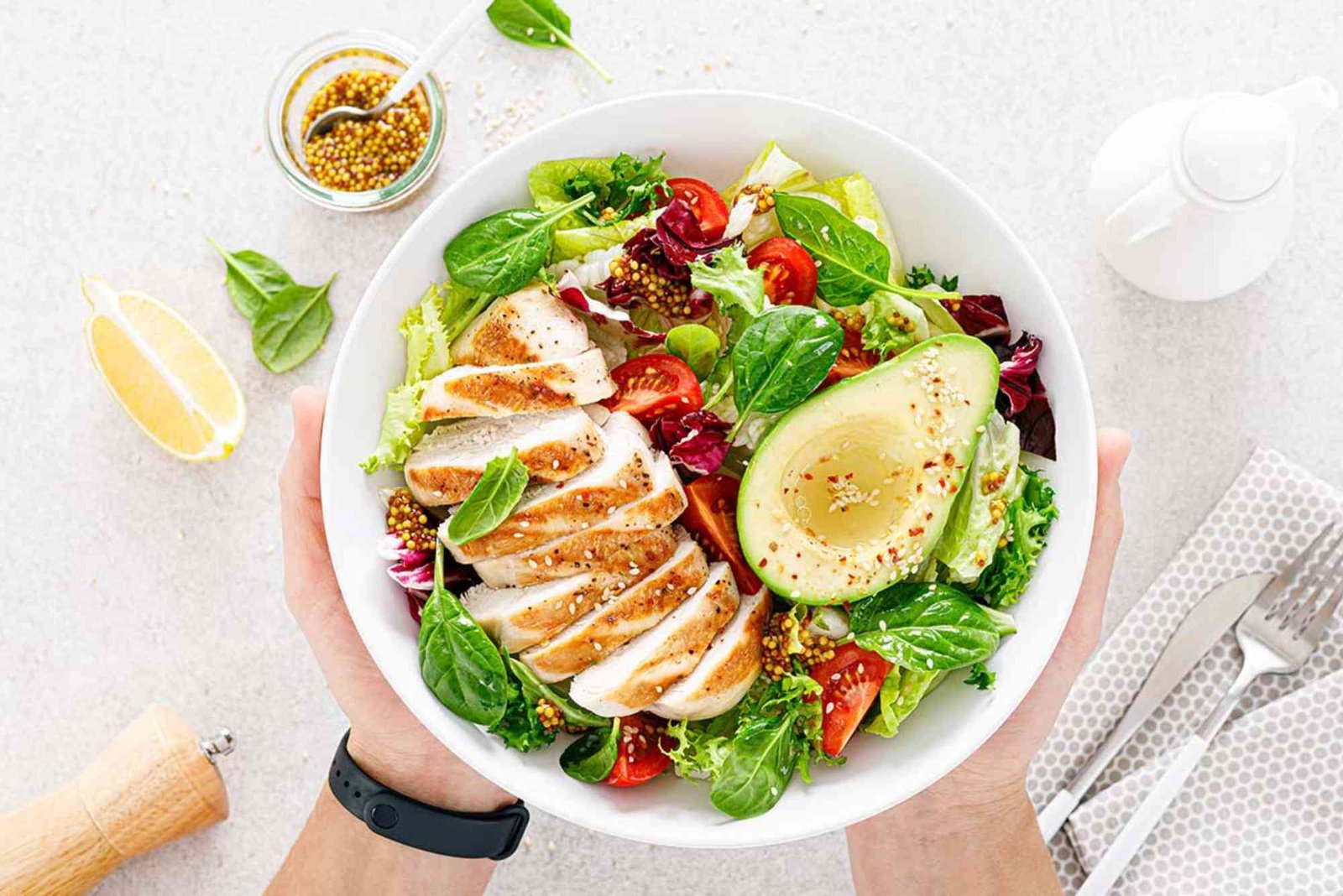
Even healthy foods can contribute to weight gain or nutritional imbalance if portions are too large. Understanding portion sizes is crucial when creating a healthy food routine. A simple strategy is to fill half your plate with vegetables, one-quarter with lean proteins, and one-quarter with whole grains.
Snacks should also be mindful. Instead of large portions of chips or sweets, opt for a small handful of nuts, yogurt with fruit, or sliced vegetables. Using smaller plates and bowls can help visually control portion sizes, making it easier to stick to your routine without feeling hungry.
Include Variety for Balanced Nutrition
A diverse diet ensures you get a wide range of nutrients. Incorporate different colors and types of fruits and vegetables, switch between grains like rice, quinoa, and oats, and include various proteins such as beans, lentils, eggs, and dairy.
Variety not only improves nutrient intake but also keeps meals interesting. Repeating the same meals daily may lead to boredom, making it harder to maintain your routine. Try a new recipe each week or rotate ingredients to keep your diet exciting and flavorful.
Stay Hydrated
Hydration is an important part of a healthy routine often overlooked. Water supports digestion, circulation, and energy levels, and it helps control hunger. Drinking water consistently throughout the day complements your meals and improves overall wellbeing.
Aim for at least 6-8 glasses per day, adjusting based on activity level, climate, and body size. Herbal teas, infused water, or low-sugar beverages can be included, but water should remain the primary source of hydration. Avoid sugary drinks, which can spike blood sugar and interfere with healthy eating habits.
Healthy Snacking Strategies
Snacking is not inherently bad, but the choice of snacks matters. Healthy snacks can prevent overeating at main meals and provide steady energy. Examples include fruits, vegetables with hummus, nuts, seeds, yogurt, or whole-grain crackers.
Keep healthy snacks accessible at home and work, and avoid keeping highly processed or sugary foods in easy reach. Pre-portioning snacks in small containers can prevent mindless eating and keep your routine on track.
Monitor Progress and Adjust
Creating a food routine is a process, not a one-time task. Monitor your progress by noting how your energy, mood, and digestion improve. If certain meals or times do not work, adjust accordingly. Flexibility is key to long-term adherence.
It can also be helpful to set small goals, such as including one extra serving of vegetables each day or drinking more water. Gradual improvements are easier to maintain than drastic changes and help make your food routine sustainable.
Lifestyle Tips to Support Your Food Routine
- Get enough sleep: Adequate rest supports metabolism and appetite regulation.
- Exercise regularly: Physical activity complements healthy eating and improves energy levels.
- Mindful eating: Focus on your meals without distractions to enjoy your food and recognize fullness cues.
- Cook at home: Preparing your own meals ensures better control over ingredients and portions.
Learning how to create a healthy food routine is a practical way to improve energy, support long-term health, and enjoy your meals more. By understanding nutritional needs, planning meals, maintaining consistent meal times, controlling portions, and including variety, anyone can develop a sustainable food routine. Small changes, consistency, and mindful eating are the keys to success. With dedication and flexibility, a healthy food routine can become a natural and enjoyable part of your daily life.
KEY TAKEAWAY & INSIGHT
In an era dominated by superficial headlines, deep analytical reporting and editorial nuance remain the true markers of reliable media leadership.

mdi03
Senior Editorial Columnist & Technology Strategist at Butternut Note. Specializing in future tech, market trends, and luxury design.