Introduction
Your home’s entryway sets the tone for what visitors experience inside. A well-designed entryway creates a welcoming atmosphere and instantly communicates style, warmth, and attention to detail. When guests walk through the door, the first impression they receive often lasts longer than any other part of the home. That’s why focusing on the best entryway decoration ideas for first impressions is crucial. Thoughtful design, clever use of space, and functional decor can transform even a small hallway into an inviting, stylish introduction to your home.
Understanding the Importance of an Entryway
The entryway is more than a passage from the outdoors to indoors. It’s the first interaction visitors have with your home. A cluttered or poorly designed entryway can feel uninviting, while a well-decorated one can instantly make guests feel at ease. The key is balancing style and functionality. Every choice, from the furniture to lighting and accessories, contributes to a lasting impression.
Entryways are often overlooked because they are transitional spaces. However, a carefully decorated entryway reflects your personality and sets expectations for the interior design of your home. Whether you prefer minimalistic elegance, rustic charm, or a bold statement, the entryway is your canvas.
Key Principles for Designing Your Entryway
Designing an entryway requires considering space, traffic flow, and visual impact. Start by defining the function: do you need a place for coats and shoes, or will it primarily be a display area? Incorporating both practicality and aesthetics ensures that your entryway is useful yet visually appealing.
Lighting is essential. Natural light can make the space feel larger and more inviting. If natural light is limited, choose fixtures that provide warmth and highlight decor. Mirrors are also a powerful tool, reflecting light and making the space feel more open while adding an element of sophistication.
Another principle is cohesion. Your entryway should reflect the home’s overall style. Use complementary colors, textures, and materials that tie into the rest of your interior design. This creates a seamless transition and enhances the sense of harmony in your home.
Furniture and Functional Decor
Choosing the right furniture for your entryway is crucial. Even small spaces benefit from a well-chosen table, bench, or console. A narrow console table offers surface space for keys, mail, or decorative items. Benches provide seating for putting on or taking off shoes and can include hidden storage to keep clutter out of sight.
Storage solutions play a pivotal role in creating a clean and organized entryway. Attractive baskets, shelves, or hooks can store shoes, bags, and coats without overwhelming the space. Combining functionality with visual appeal ensures that your entryway remains welcoming rather than chaotic.
Flooring and Rugs
Flooring contributes significantly to the first impression. Durable yet stylish flooring choices, such as hardwood, tiles, or luxury vinyl, set the tone for the home. Rugs are not only practical but also provide warmth and texture. A well-chosen rug can define the space, add color, and create a cozy feel. Consider patterns and colors that complement the entryway’s overall style while being easy to maintain.
Wall Decor and Accessories
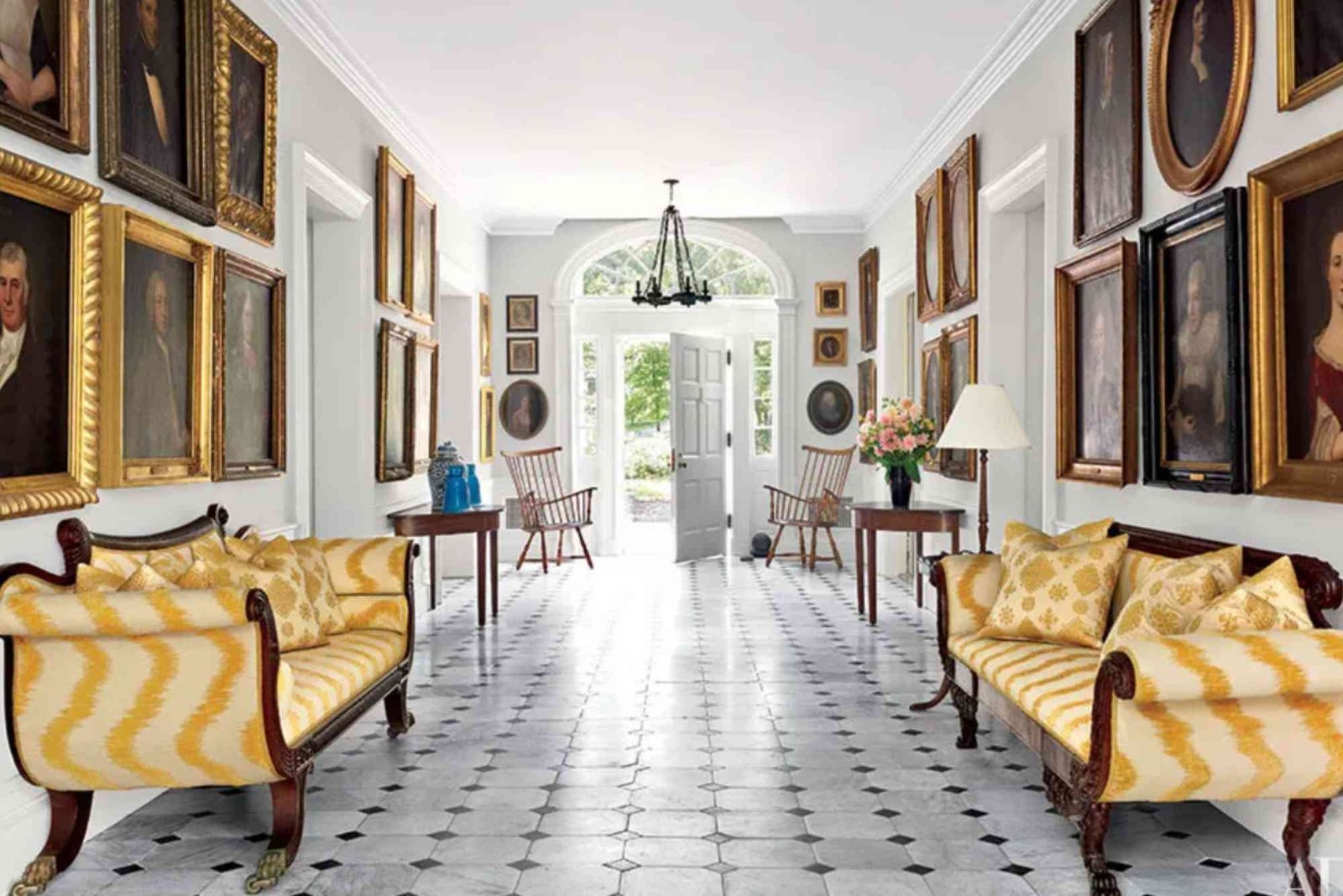
Walls offer ample opportunity for personal expression. Artwork, photographs, and decorative mirrors create focal points that draw attention. Shelves can display small plants, candles, or collectibles, adding character without overcrowding the space. For a modern look, consider geometric wall decor or abstract pieces. Rustic or vintage homes may benefit from framed family photos or antique mirrors.
Hooks and wall-mounted storage enhance both function and style. Decorative hooks for coats and hats make sense in busy households while contributing to the design. Statement pieces like oversized clocks or wall-mounted sculptures elevate the space and leave a memorable impression on visitors.
Lighting for Ambiance
The right lighting transforms an entryway. Overhead chandeliers, pendant lights, or flush mounts provide general illumination, while wall sconces or table lamps add layered lighting. Soft, warm lighting makes the entryway feel inviting, while strategically placed lights highlight decorative features. Dimmer switches allow for flexible lighting, adapting the space for different moods or times of day.
Plants and Natural Elements
Incorporating natural elements brings life to an entryway. Plants, flowers, or even small indoor trees make the space feel vibrant and welcoming. Low-maintenance options like snake plants, pothos, or succulents are ideal for entryways with less light. Natural materials in decor, such as wood, stone, or woven baskets, also create a grounded and warm atmosphere.
Color and Theme Considerations
Color choices impact the mood and perception of space. Light colors make small entryways feel larger and airy, while darker tones can create a cozy, dramatic effect. Neutral palettes work well for timeless elegance, while bold colors make a strong style statement. Consider a color scheme that harmonizes with your home’s interior but allows the entryway to stand out as a special, welcoming space.
Thematic consistency is also key. Minimalist, modern, rustic, bohemian, or eclectic styles can all be expressed effectively in the entryway with careful selection of furniture, textures, and decor items. This ensures the first impression aligns with the overall personality of the home.
Personal Touches
Adding personal touches in the entryway makes it memorable. A favorite piece of artwork, a meaningful sculpture, or a decorative item with sentimental value communicates character and warmth. Personal touches should be curated thoughtfully, keeping the space uncluttered while showcasing individuality.
Seasonal Updates
The entryway is perfect for seasonal decoration. Subtle changes like a wreath, a small seasonal arrangement, or decorative objects can refresh the space throughout the year. Seasonal updates create a dynamic, engaging first impression while allowing you to adapt your entryway style with minimal effort.
A well-designed entryway is more than just a passage; it’s the first impression your home gives. By focusing on functionality, style, lighting, and personal touches, you can create a welcoming space that leaves a lasting impact. Whether you have a compact hallway or a spacious foyer, the best entryway decoration ideas for first impressions make every visitor feel at home immediately. Start small, choose items thoughtfully, and let your personality shine through in your entryway.
Being on time is more than just punctuality—it’s a sign of respect, professionalism, and reliability. Understanding the value of being prompt can improve relationships, boost productivity, and create a positive impression in both personal and professional settings. Learn practical tips and strategies to manage your schedule effectively and ensure you are always on time. What to Know About On and Time
FAQ
What are the best entryway decoration ideas for small spaces?
Use multifunctional furniture, mirrors, wall hooks, and compact rugs to maximize space while adding style.
How can I make my entryway look welcoming?
Add warm lighting, natural elements, a stylish rug, and personal decor items to create an inviting atmosphere.
What colors work best for entryways?
Light neutrals make small spaces appear larger, while bold colors can create a statement. Choose shades that match your home’s interior.
Should I include storage in my entryway?
Yes, storage keeps the space organized. Benches, shelves, baskets, and hooks are both functional and decorative.
How can I refresh my entryway seasonally?
Swap out seasonal wreaths, decorative objects, or small floral arrangements to keep the space vibrant and inviting throughout the year.
This article combines style, functionality, and personality, ensuring your entryway makes the perfect first impression.