
Introduction
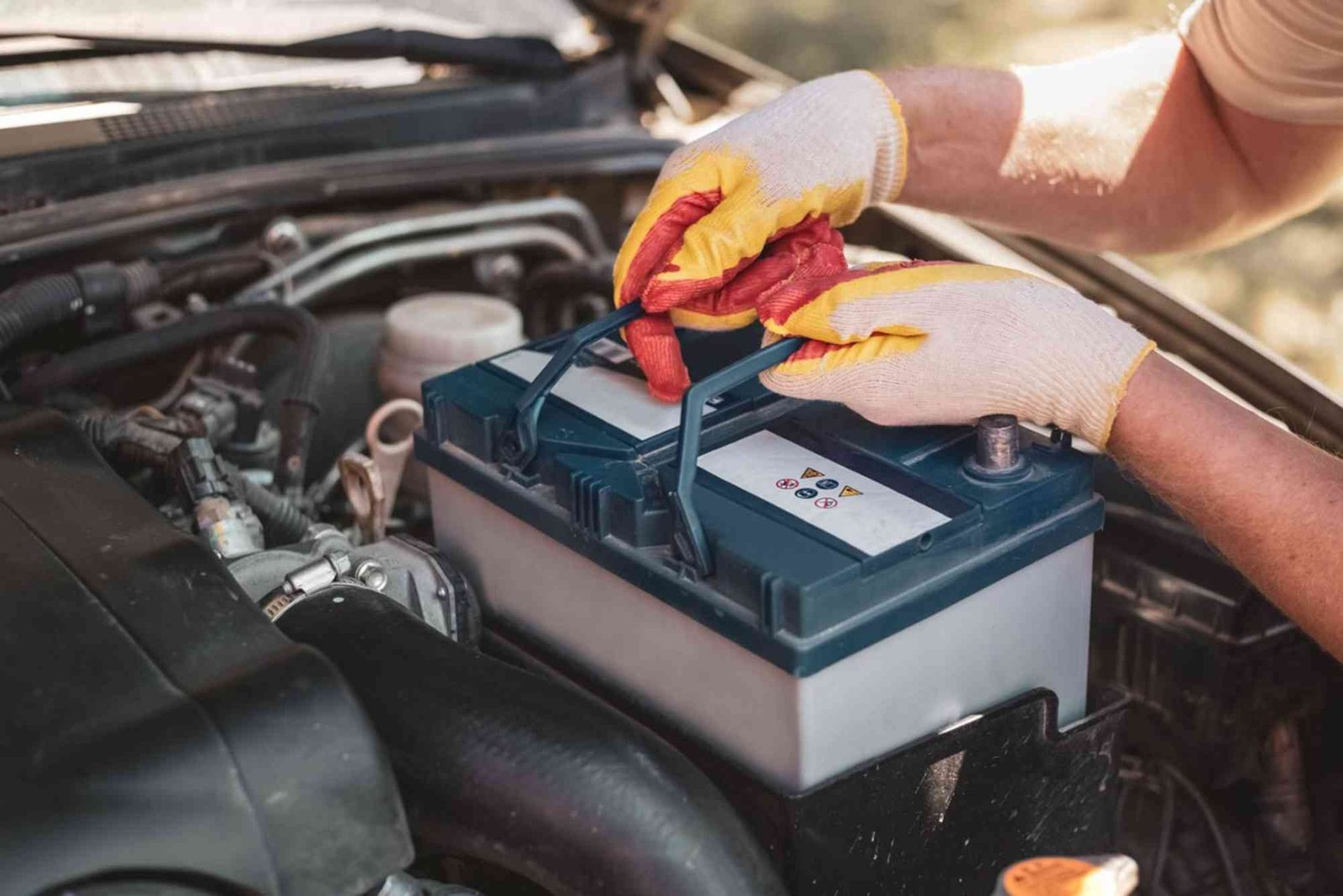
Knowing how to Keep Your Automobile Battery in Good Condition is essential for reliable vehicle performance and avoiding unexpected breakdowns. The automobile battery plays a major role in starting the engine, powering electrical components, and supporting modern vehicle systems. A weak or poorly maintained battery can create starting problems, reduce efficiency, and lead to expensive replacements.
Many drivers focus on engine oil, tires, and brakes but ignore battery maintenance until a problem appears. However, regular care can significantly extend battery life and ensure smooth operation. Factors such as weather conditions, driving habits, electrical usage, and maintenance routines directly affect battery performance.
A well-maintained battery provides consistent power and reduces the chances of being stranded on the road. By following simple maintenance practices, drivers can protect their investment and enjoy a more dependable driving experience.
Why Automobile Battery Maintenance Is Important
An automobile battery is responsible for supplying electrical energy to start the engine and operate important vehicle features. Modern vehicles depend on batteries for advanced systems, including safety sensors, infotainment units, and electronic controls.
When a battery becomes weak, the vehicle may experience slow engine cranking, dim headlights, electrical failures, or complete starting issues. Regular maintenance helps identify problems early and prevents sudden failures.
Understanding how to Keep Your Automobile Battery in Good Condition also helps reduce unnecessary expenses. Replacing a battery too frequently can become costly, while proper care allows it to perform effectively for many years.


How to Keep Your Automobile Battery in Good Condition Through Regular Care
The best way to maintain battery health is through consistent inspection and proper usage. Small maintenance steps can make a significant difference in battery performance.
Inspect the Battery Regularly
Regular visual inspections help detect early warning signs. Check the battery surface for dirt, cracks, corrosion, or leakage. A damaged battery should be inspected by a professional because continuing to use it may create safety risks.
Battery terminals should also be examined frequently. Loose or dirty connections can interrupt the flow of electricity and reduce starting power.
Keep Battery Terminals Clean
Corrosion around battery terminals is a common problem that affects electrical connections. White or greenish buildup can prevent proper current flow between the battery and vehicle system.
Cleaning the terminals carefully helps maintain a strong connection. Use appropriate cleaning methods and ensure the terminals are dry before reconnecting them.
Clean terminals allow the battery to deliver power efficiently. Therefore, terminal maintenance is an important part of learning how to Keep Your Automobile Battery in Good Condition.
Check Battery Voltage
Monitoring battery voltage provides useful information about its health. A fully charged automobile battery usually maintains a stable voltage level when the engine is off.
If the voltage is consistently low, the battery may not be holding enough charge. In such cases, testing the battery can help determine whether charging or replacement is needed.
Regular voltage checks are especially helpful before long trips or during extreme weather conditions.
Avoid Short Driving Trips
Frequent short trips can negatively affect battery life. When a vehicle starts, the battery uses significant energy to crank the engine. A short drive may not provide enough time for the alternator to recharge the battery completely.
Over time, repeated short journeys can leave the battery partially charged. This condition reduces performance and may shorten battery lifespan.
Whenever possible, include longer drives in your routine. Longer trips allow the charging system to restore battery power properly.
Protect Your Battery From Extreme Temperatures
Temperature changes have a major impact on automobile batteries. Extremely hot weather can speed up chemical reactions inside the battery and reduce its lifespan. Similarly, cold temperatures make it harder for batteries to produce enough power.
Parking your vehicle in a shaded or covered area helps protect the battery from excessive heat. During colder months, proper vehicle storage and battery checks become even more important.
Taking temperature-related precautions is another effective way for drivers who want to understand how to Keep Your Automobile Battery in Good Condition.
Reduce Unnecessary Electrical Usage
Leaving electrical systems running when the engine is off can drain the battery. Common examples include headlights, interior lights, entertainment systems, and charging devices.
Always turn off electrical components before leaving your vehicle. This simple habit prevents unnecessary battery stress.
Modern vehicles often have multiple electronic features, so managing electrical usage is more important than ever.
Ensure Proper Charging System Performance
The battery depends on the alternator to recharge while the vehicle is running. If the charging system is not working correctly, the battery may become weak even if it is relatively new.
A faulty alternator, damaged wiring, or poor connections can prevent proper charging. Regular vehicle servicing helps identify charging system problems before they affect battery performance.
A healthy charging system is essential for maintaining long-term battery reliability.
Secure the Battery Properly
A loose battery can move while driving, causing internal damage and poor electrical connections. Vibrations from movement may affect battery components and reduce its lifespan.
Make sure the battery is firmly installed in its mounting position. If you notice unusual movement or noise from the battery area, have it checked immediately.
Proper installation supports better performance and prevents avoidable damage.
Avoid Leaving Your Vehicle Unused for Long Periods
Vehicles that remain parked for extended periods may experience battery discharge. Even when the engine is off, some systems continue using small amounts of electricity.
If you plan to leave your vehicle unused for several weeks, consider taking preventive steps. Driving the vehicle occasionally or using a suitable battery charger can help maintain charge levels.
This is particularly important for seasonal vehicles or cars stored for long periods.
Signs Your Automobile Battery Needs Attention
Recognizing battery warning signs helps prevent unexpected failures. Some common indicators include slow engine starts, flickering lights, unusual electrical behavior, and warning messages on the dashboard.
A battery that frequently requires jump-starting may no longer hold a proper charge. Additionally, visible swelling, leaks, or strong odors indicate that professional inspection is necessary.
Addressing these signs early can prevent larger vehicle problems and improve overall reliability.
Common Mistakes That Reduce Battery Life
Many battery problems occur because of simple mistakes. Leaving lights on overnight, ignoring corrosion, and delaying inspections can gradually damage battery performance.
Another common mistake is using an incorrect battery type for a vehicle. Always choose a battery that matches manufacturer specifications.
Poor driving habits and neglected maintenance can also reduce battery efficiency. Consistent care remains the most effective approach for extending battery life.
How Often Should You Replace an Automobile Battery?
The average automobile battery usually lasts several years, but its lifespan depends on climate, driving patterns, vehicle type, and maintenance quality.
Instead of waiting for complete failure, drivers should monitor battery condition regularly. Professional testing can provide accurate information about remaining battery strength.
Replacing an aging battery at the right time helps avoid inconvenience and protects other vehicle components.
Professional Battery Maintenance Benefits
Although basic maintenance can be performed by drivers, professional inspections provide additional benefits. Automotive technicians can test battery health, charging performance, and electrical systems.
Professional servicing helps identify hidden problems that may not be visible during a simple inspection.
Regular vehicle maintenance appointments ensure that the battery and related systems continue working efficiently.
How to Keep Your Automobile Battery in Good Condition During Different Seasons
Seasonal changes require different battery care approaches. During summer, heat protection and proper fluid checks are important for preventing damage. During winter, battery testing becomes more necessary because cold temperatures reduce starting power.
Adjusting maintenance habits according to weather conditions helps maintain consistent performance throughout the year.
A proactive approach ensures your automobile battery remains dependable regardless of environmental challenges.
Driving in rainy weather requires extra care, proper vehicle maintenance, and smart driving techniques to ensure safety on wet roads. Following the Best Automobile Tips for Driving in Rainy Weather can help improve visibility, maintain tire grip, prevent accidents, and protect your vehicle from weather-related issues. Simple steps like checking brakes, using headlights, reducing speed, and keeping a safe distance can make every rainy journey safer and more comfortable.
Frequently Asked Questions
How can I make my automobile battery last longer?
You can make your automobile battery last longer by keeping terminals clean, avoiding unnecessary electrical usage, checking battery voltage, and maintaining proper charging system performance. Regular inspections also help identify problems before they become serious.
How often should I check my automobile battery?
Most experts recommend checking your automobile battery several times a year. Regular inspections are especially important before extreme weather seasons or long-distance trips.
What causes an automobile battery to drain quickly?
An automobile battery can drain quickly due to leaving lights on, faulty electrical components, short driving trips, weak charging systems, or an aging battery.
Can driving improve automobile battery health?
Yes, regular driving helps recharge the battery through the alternator. However, very short trips may not provide enough time for complete charging.
How do I know if my automobile battery is weak?
Common signs of a weak battery include slow engine starting, dim headlights, clicking sounds when starting, and frequent need for jump-starting.
Does weather affect automobile battery performance?
Yes, extreme heat and cold can affect battery performance. High temperatures may reduce battery life, while cold temperatures can make starting the engine more difficult.
Conclusion
Understanding how to Keep Your Automobile Battery in Good Condition helps drivers avoid unexpected failures and improve vehicle reliability. A battery requires regular attention, proper charging, clean connections, and protection from extreme conditions.
KEY TAKEAWAY & INSIGHT
In an era dominated by superficial headlines, deep analytical reporting and editorial nuance remain the true markers of reliable media leadership.

ansar
Senior Editorial Columnist & Technology Strategist at Butternut Note. Specializing in future tech, market trends, and luxury design.