
Introduction
Overnight oats have become a favorite breakfast option for busy individuals who want a nutritious, convenient, and tasty start to their day. This method of preparing oats saves time while providing a wholesome meal that’s packed with fiber, protein, and essential nutrients. The beauty of overnight oats lies in their simplicity. By soaking oats in liquid overnight, you allow them to soften naturally without cooking, making mornings stress-free and breakfast-ready. If you’ve ever wondered how to create the perfect jar of overnight oats, this guide will offer practical tips, flavor ideas, and storage solutions to elevate your oat game.
Why Choose Overnight Oats
Overnight oats are not just convenient—they’re also versatile and nutrient-rich. They provide a balance of complex carbohydrates, healthy fats, and proteins, which keep you energized throughout the morning. Soaking oats overnight improves digestibility, allowing your body to absorb nutrients more efficiently. Unlike traditional cooking methods, overnight oats preserve natural enzymes and vitamins, making them a healthier option. Additionally, you can experiment with flavors, fruits, nuts, and seeds to suit your taste and dietary goals. Their ready-to-eat nature makes them ideal for busy mornings, school lunches, or a post-workout snack. For a detailed guide on preparing this meal, you can check this Overnight Oats.
Choosing the Right Oats
The first step to making perfect overnight oats is selecting the right type of oats. Rolled oats are the most popular choice because they absorb liquid efficiently and maintain a pleasant texture. Steel-cut oats are less commonly used, as they require longer soaking times to soften adequately. Instant oats can become too mushy when soaked overnight, so they are generally not recommended. Organic oats are preferred by those who want a cleaner, additive-free breakfast. Pay attention to your oats’ thickness and texture to ensure your overnight oats are neither too runny nor too dense. Using high-quality oats significantly enhances the flavor and nutrition of your final dish.
Selecting the Liquid Base
Liquid is essential for soaking oats, as it softens them and enhances flavor. Common options include milk, almond milk, soy milk, or even yogurt. The choice of liquid affects both texture and taste. Milk or plant-based milk creates a creamy consistency, while yogurt adds thickness and a tangy flavor. Some people like combining milk and yogurt for the perfect balance of creaminess and protein. For those watching their sugar intake, unsweetened plant-based milk is ideal. Experimenting with different liquids can help you discover your preferred texture. Remember, the oats will absorb the liquid overnight, so use enough to fully cover them. Learn more about Overnight Oats for detailed liquid ratios.
Incorporating Flavors and Sweeteners
Flavor is what makes overnight oats exciting and enjoyable. Natural sweeteners like honey, maple syrup, or agave enhance taste without overpowering the oats. Vanilla extract or cinnamon can add aromatic depth, while cocoa powder or nut butter introduces richness. Fresh fruits like berries, banana slices, or diced apples provide natural sweetness and antioxidants. Dried fruits such as raisins, apricots, or cranberries are convenient options that last longer in storage. Nuts and seeds, including almonds, chia, or flax seeds, boost texture, flavor, and nutritional value. Layering flavors thoughtfully ensures each bite is satisfying and keeps you looking forward to breakfast.
Proportions and Preparation Tips
Getting the right balance of oats, liquid, and flavoring is key to perfect overnight oats. A common ratio is one part oats to one part liquid for a firmer texture, or one part oats to one and a half parts liquid for creamier oats. Stir in sweeteners, seeds, and flavorings before refrigerating to allow flavors to meld. Avoid adding delicate toppings like fresh fruit or nuts until the morning to prevent sogginess. Preparing oats in individual jars or containers makes portioning easy and visually appealing. Layering oats with fruit and yogurt can create a beautiful breakfast parfait. For step-by-step guidance, visit this Overnight Oats guide.
Storage and Shelf Life
One of the most practical aspects of overnight oats is their long shelf life. Stored in airtight containers in the refrigerator, they typically last three to five days. This makes meal prep simple for the week ahead. Make sure your containers are clean and properly sealed to maintain freshness. Avoid leaving oats at room temperature overnight to prevent spoilage. When adding perishable toppings like fresh fruit or yogurt, consume them within 24 hours for the best taste and texture. Proper storage ensures that each serving maintains the creamy, delicious consistency you expect.
Creative Ideas for Toppings
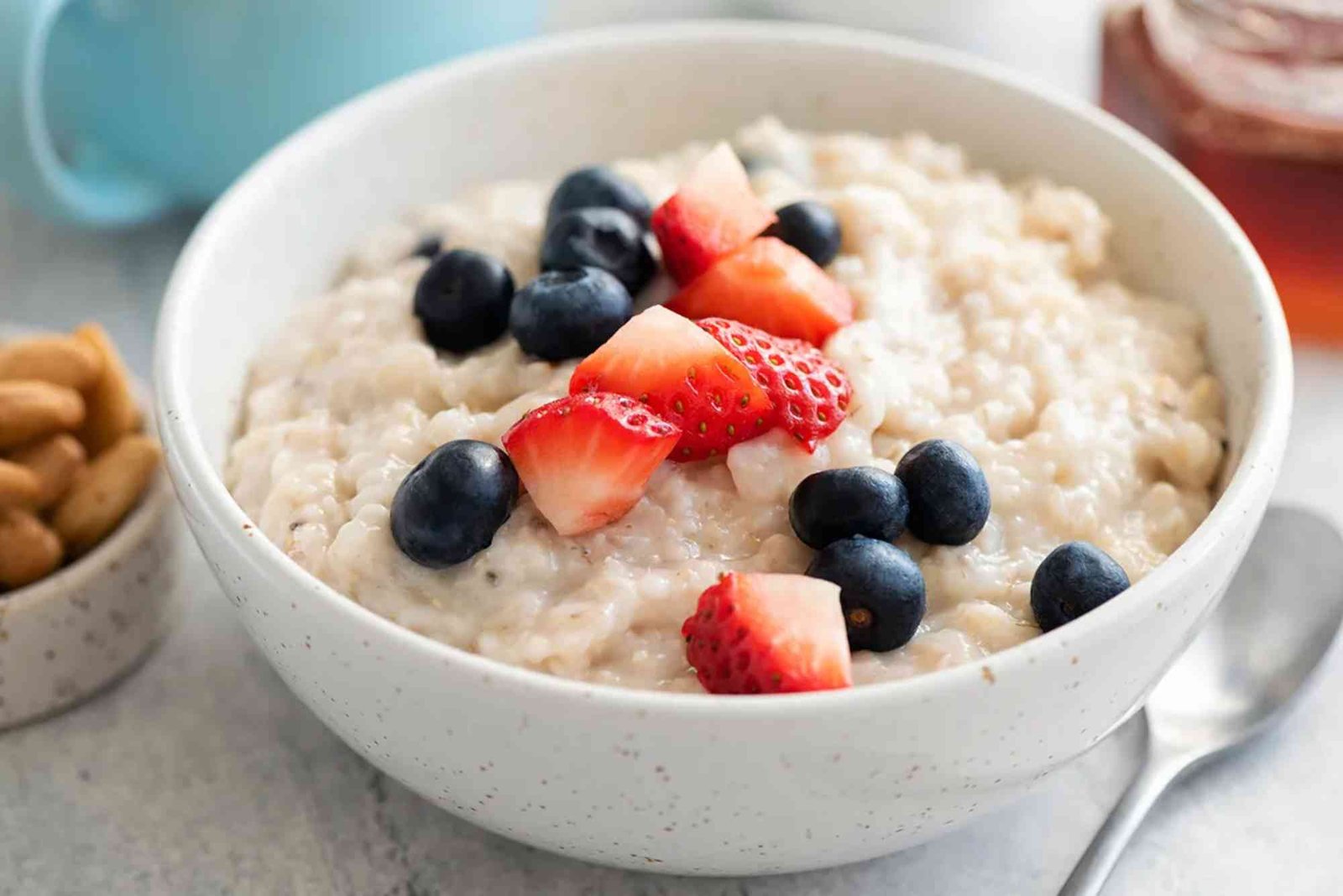
Toppings allow you to personalize your overnight oats. Fresh berries, sliced bananas, and diced apples add natural sweetness and nutrients. Nuts, granola, and coconut flakes introduce crunch, while a drizzle of nut butter or chocolate chips adds indulgence. Seasonal fruits can keep your breakfast exciting throughout the year. Some people add a spoon of protein powder or Greek yogurt to boost satiety. Layering toppings not only enhances flavor but also makes the oats visually appealing, motivating you to stick to your healthy breakfast routine. For more creative ideas, Learn more about overnight oats.
Tips for Texture and Consistency
Texture plays a critical role in enjoying overnight oats. If oats are too thick, add a splash of milk or yogurt in the morning. If too runny, reduce the liquid next time or add chia seeds, which absorb excess moisture. Stirring the mixture halfway through soaking can improve consistency and prevent clumping. Over time, you will discover the perfect balance that suits your taste, whether creamy, chunky, or somewhere in between. Experimenting with different combinations of oats, liquids, and toppings is the key to mastering the ideal overnight oats texture.
Common Mistakes to Avoid
Avoid common mistakes that can affect your overnight oats experience. Over-soaking instant oats can lead to a mushy texture, while insufficient liquid leaves them dry. Adding sugar-heavy ingredients in excess can overshadow the natural flavors of oats and fruits. Using low-quality oats or expired ingredients reduces both flavor and nutritional value. Always measure ingredients carefully and store your oats properly to maximize freshness. By following these practical tips, you can avoid disappointment and consistently enjoy a delicious, ready-to-eat breakfast.
Overnight oats are an easy, nutritious, and versatile breakfast solution. By choosing the right oats, liquid, and flavors, and following proper preparation and storage methods, you can enjoy a satisfying meal with minimal effort. They allow busy individuals to save time, improve nutrition, and explore endless flavor combinations. Whether you prefer fruity, nutty, or indulgent variations, overnight oats can be tailored to your taste and dietary needs. Make them a regular part of your routine to start mornings stress-free and healthy. For more tips and creative ideas, explore Overnight Oats or Learn more about overnight oats.
Learn all the essential steps to olive when tips on our detailed guide. From selecting the best olives to proper storage and usage, this article helps you enjoy their full flavor and benefits. Check out the full guide here.
FAQs
How long can I store overnight oats in the fridge?
Overnight oats can be stored in airtight containers in the refrigerator for three to five days.
Can I use steel-cut oats for overnight oats?
Yes, but steel-cut oats require longer soaking or partial cooking to soften adequately.
What is the best liquid for overnight oats?
Milk, plant-based milk, or yogurt works best, depending on desired creaminess and flavor.
Can I make overnight oats without dairy?
Absolutely. Almond milk, soy milk, or oat milk are great dairy-free options.
Should I add fruit before or after soaking?
Add firm or dried fruit before soaking and delicate fresh fruit just before eating to prevent sogginess.
How can I make overnight oats more filling?
Incorporate protein-rich ingredients like Greek yogurt, nuts, seeds, or protein powder to increase satiety.
Are overnight oats healthy for weight loss?
Yes, they are high in fiber and protein, keeping you full longer and supporting weight management.