
Introduction
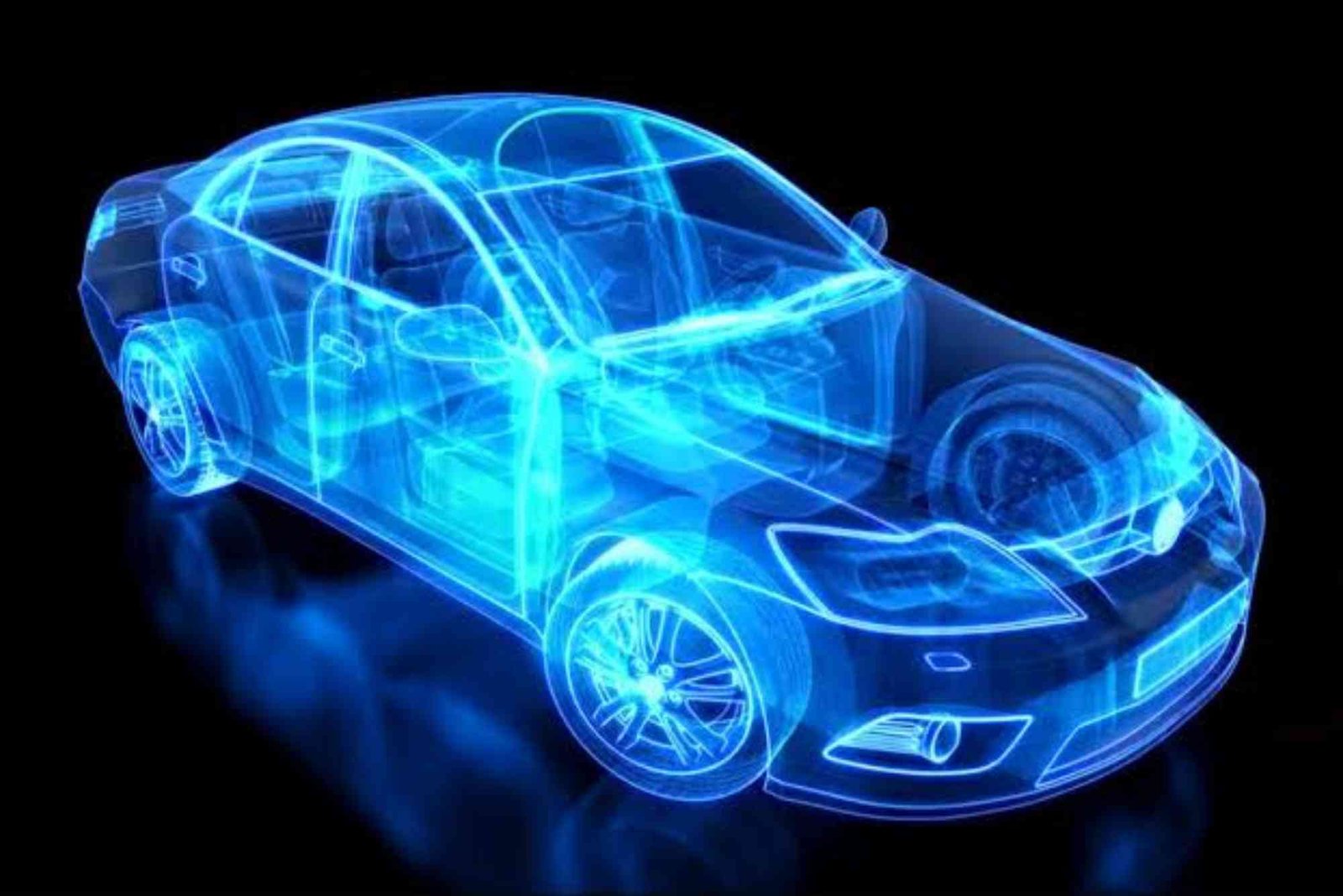
The Top Automobile Innovations That Improve Safety have transformed modern driving by making vehicles smarter, more responsive, and better prepared for unexpected situations. Automotive technology has advanced significantly, helping reduce accidents and protecting drivers, passengers, and pedestrians. From intelligent sensors to automated driving assistance, today’s vehicles include advanced features that were once considered futuristic.
Safety is now one of the biggest priorities for automobile manufacturers. Companies are investing heavily in research and development to create vehicles that can identify risks, prevent collisions, and provide better protection during accidents. These innovations combine artificial intelligence, advanced engineering, and real-time data analysis to improve overall road safety.
Modern automobiles are no longer just machines for transportation. They are becoming intelligent systems that support drivers and make travel more secure. Understanding these technologies helps consumers choose safer vehicles and appreciate how innovation continues to improve everyday driving experiences.
Advanced Driver Assistance Systems (ADAS)
One of the most important developments among the Top Automobile Innovations That Improve Safety is the Advanced Driver Assistance System, commonly known as ADAS. These systems use cameras, sensors, and radar technology to monitor road conditions and assist drivers.
ADAS features are designed to reduce human errors, which are among the leading causes of road accidents. These technologies provide warnings, automatic responses, and driving support in different situations.
Automatic Emergency Braking Technology
Automatic Emergency Braking is a major safety improvement in modern vehicles. This system detects possible collisions and automatically applies brakes when the driver does not react quickly enough.


Using radar and camera sensors, the vehicle can recognize obstacles, pedestrians, and other vehicles. This technology helps prevent accidents or reduces the severity of impacts.
Automatic braking is especially useful in busy city environments where sudden stops are common. It provides an additional layer of protection when drivers face unexpected hazards.
Lane Keeping Assistance Systems
Lane Keeping Assistance helps drivers maintain their position on the road. The system uses cameras to identify lane markings and provides steering support if the vehicle begins drifting.
This feature is valuable during long-distance driving when tiredness can affect concentration. It helps prevent accidents caused by unintentional lane departures.
Many modern vehicles also include lane departure warnings that alert drivers through sounds, vibrations, or dashboard notifications.
Artificial Intelligence in Vehicle Safety
Artificial intelligence has become a powerful force in automobile safety. AI-powered systems analyze large amounts of information from sensors and cameras to make faster decisions than traditional vehicle systems.
The use of AI is one of the key reasons why the Top Automobile Innovations That Improve Safety continue to evolve rapidly.
Smart Collision Detection
AI-based collision detection systems can identify potential dangers before they become serious threats. These systems analyze traffic movement, vehicle speed, and surrounding objects.
For example, an AI system can recognize a cyclist approaching from the side or detect sudden traffic changes. It then warns the driver or activates safety features automatically.
This technology improves reaction times and helps drivers avoid dangerous situations.
Driver Monitoring Systems
Driver monitoring technology focuses on understanding driver behavior. Cameras inside vehicles can track signs of distraction, fatigue, or reduced attention.
If the system detects unsafe behavior, it can send alerts encouraging the driver to stay focused. Some advanced systems can even recommend taking a break during long journeys.
This innovation improves safety by addressing one of the biggest challenges on roads: human fatigue.
Vehicle-to-Vehicle Communication Technology
Vehicle-to-vehicle communication is another important development in automotive safety. This technology allows vehicles to exchange information about their location, speed, and movement.
Connected vehicles can warn each other about hazards such as sudden braking, accidents, or dangerous road conditions.
For example, if one vehicle detects slippery roads ahead, it can send warnings to nearby vehicles. This creates a safer driving environment where cars work together to prevent accidents.
As connected technology becomes more common, communication between vehicles may significantly reduce road risks.
Advanced Airbag Systems
Airbags have been protecting drivers and passengers for decades, but modern versions are much more advanced. Manufacturers continue improving airbag designs to provide better protection during collisions.
Today’s vehicles include multiple airbags placed in different areas, including front, side, and curtain positions.
Adaptive Airbag Technology
Adaptive airbags adjust their deployment based on crash conditions. They consider factors such as impact force, passenger position, and vehicle speed.
This reduces the chance of injuries by providing the right level of protection during different accident situations.
Modern airbag systems work together with seat belts and sensors to create a complete safety network.
Improved Vehicle Structural Design
Vehicle design plays a major role in protecting passengers during accidents. Automobile manufacturers now use stronger materials and advanced engineering techniques.
High-strength steel, aluminum, and carbon fiber materials help create lighter but stronger vehicle structures.
A well-designed vehicle can absorb crash energy and reduce the force transferred to passengers. Safety-focused designs improve survival chances during serious collisions.
Autonomous Driving Features
Autonomous driving technology represents one of the most exciting areas of automotive safety innovation. Self-driving features are designed to reduce human mistakes and improve road awareness.
Although fully autonomous vehicles are still developing, many current vehicles already offer partial automation.
Features such as adaptive cruise control, automated parking, and highway assistance are becoming increasingly common.
Adaptive Cruise Control
Adaptive cruise control automatically adjusts vehicle speed based on traffic conditions. It maintains a safe distance from vehicles ahead.
This feature reduces driver stress during highway travel and helps prevent rear-end collisions.
By automatically managing speed and distance, adaptive cruise control supports safer and more comfortable driving.
Automated Parking Assistance
Parking accidents are common, especially in crowded areas. Automated parking systems use cameras and sensors to help drivers park safely.
Some systems can control steering, braking, and acceleration during parking maneuvers.
This innovation reduces minor accidents and makes parking easier for drivers.
Advanced Camera and Sensor Technology
Modern vehicles rely heavily on cameras and sensors to improve awareness. These technologies provide drivers with information about their surroundings.
Blind spot monitoring, parking cameras, and 360-degree vision systems help drivers make safer decisions.
Blind Spot Detection Systems
Blind spot detection technology alerts drivers when another vehicle enters an area they cannot easily see.
This feature is especially useful during lane changes on highways. It reduces the risk of side collisions and improves driver confidence.
Surround View Camera Systems
Surround view cameras provide a complete view around the vehicle. Multiple cameras combine images to create a bird’s-eye view.
This helps drivers navigate tight spaces and avoid obstacles while parking.
Tire Safety Innovations
Tire technology has also improved significantly. Since tires are the only connection between a vehicle and the road, their condition directly affects safety.
Modern tire monitoring systems alert drivers about pressure problems before they become dangerous.
Tire Pressure Monitoring Systems
Tire Pressure Monitoring Systems continuously check tire pressure and notify drivers when levels become unsafe.
Proper tire pressure improves braking performance, fuel efficiency, and vehicle control.
This simple but effective innovation prevents many tire-related accidents.
Electric Vehicle Safety Improvements
Electric vehicles have introduced new safety technologies. Battery protection systems, improved weight distribution, and advanced software controls enhance vehicle safety.
Manufacturers design electric vehicles with special structures to protect battery packs during crashes.
Battery management systems also monitor temperature and performance to prevent potential issues.
As electric vehicle adoption increases, safety technologies will continue improving.
The Future of Automobile Safety Innovations
The future of automobile safety will focus on smarter connectivity, artificial intelligence, and automation. Vehicles will continue becoming more capable of predicting risks and preventing accidents.
Future automobiles may communicate with road infrastructure, traffic systems, and other vehicles. This connected environment can create safer roads with fewer accidents.
Manufacturers are also exploring advanced technologies such as improved autonomous driving, smart materials, and enhanced driver assistance systems.
The goal is simple: create vehicles that protect people before, during, and after accidents.
Maintaining your vehicle’s battery is essential for reliable performance and avoiding unexpected breakdowns. Simple practices like regular inspections, cleaning battery terminals, checking fluid levels, and ensuring proper charging can extend battery life. Learn more about How to Keep Your Automobile Battery in Good Condition and follow expert tips to improve your car’s efficiency and ensure smooth journeys.
FAQ
What are the most important automobile safety innovations today?
The most important safety innovations include automatic emergency braking, ADAS, AI monitoring systems, advanced airbags, blind spot detection, and autonomous driving assistance.
How do modern cars improve driver safety?
Modern cars improve safety through sensors, cameras, intelligent braking systems, stronger structures, and driver assistance technologies that reduce accidents.
Are autonomous vehicles safer than traditional cars?
Autonomous vehicles have the potential to improve safety by reducing human errors. However, the technology is still developing and requires further improvements.
Why is automatic emergency braking important?
Automatic emergency braking helps prevent collisions by applying brakes when the system detects an immediate danger and the driver cannot respond quickly.
How does AI improve automobile safety?
AI improves safety by analyzing driving conditions, detecting risks, monitoring driver behavior, and helping vehicles make faster decisions.
Conclusion
The Top Automobile Innovations That Improve Safety are changing the way people travel by making vehicles more intelligent and protective. Technologies like AI systems, advanced sensors, automatic braking, and connected vehicle communication are helping reduce accidents and improve driver confidence.
Related Reading: How to Improve Your Automobile Driving Comfort
KEY TAKEAWAY & INSIGHT
In an era dominated by superficial headlines, deep analytical reporting and editorial nuance remain the true markers of reliable media leadership.

ansar
Senior Editorial Columnist & Technology Strategist at Butternut Note. Specializing in future tech, market trends, and luxury design.