
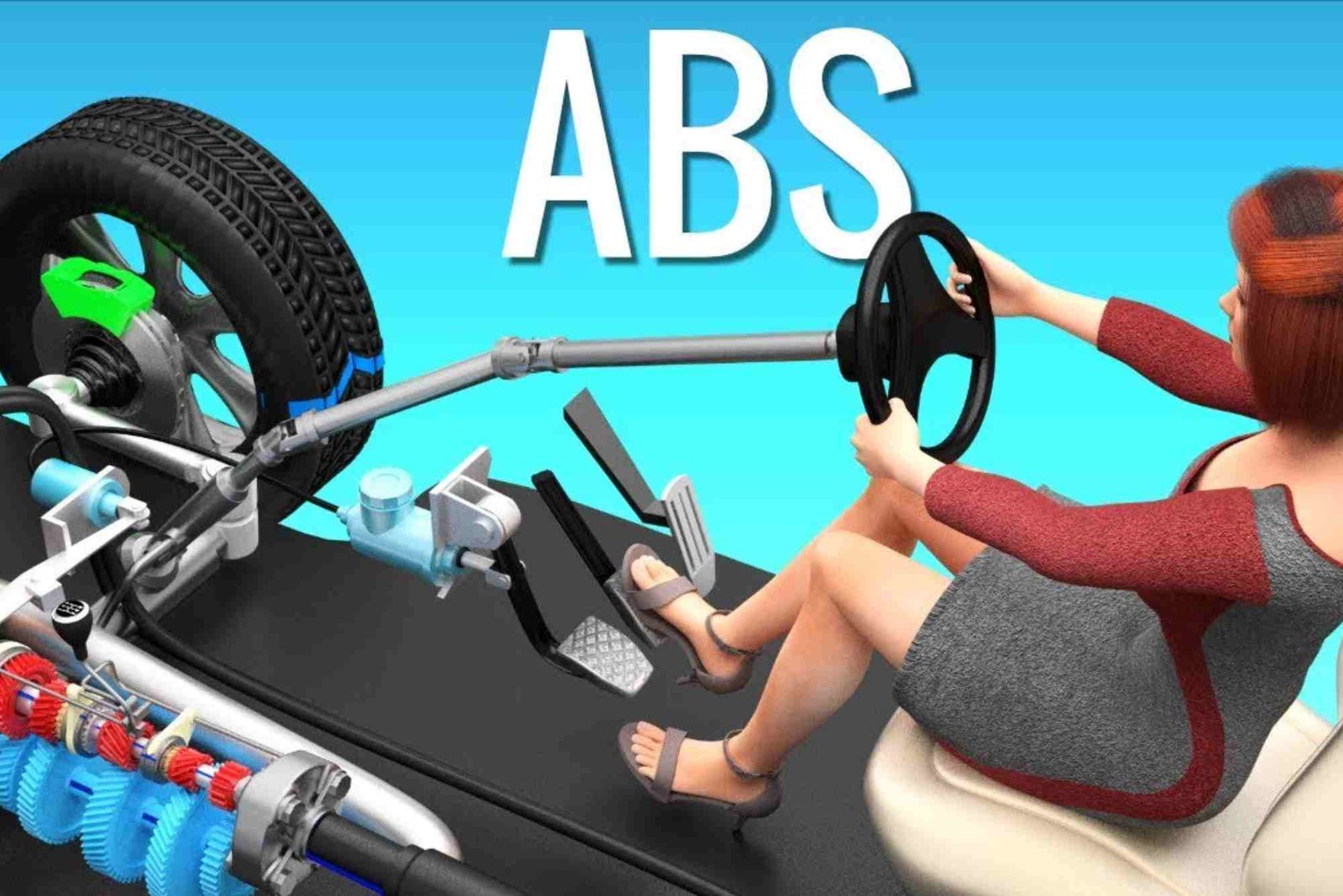
What to Know About ABS and Brakes
Understanding how your vehicle stops safely is crucial. Brakes are the primary system that ensures your car comes to a halt efficiently, while ABS, or Anti-lock Braking System, adds an extra layer of control and safety. This article explores what to know about ABS and brakes, their differences, benefits, and maintenance tips for safer driving.
What Are Brakes and How Do They Work
Brakes are essential for controlling speed and stopping your vehicle. They convert kinetic energy into heat through friction, slowing down the car. Most cars use disc or drum brakes, each with unique designs and efficiency.
Disc Brakes
Disc brakes are common in modern cars. They use a rotor and caliper system to press brake pads against a spinning disc. This generates friction, slowing the wheel’s rotation quickly and efficiently. Disc brakes are known for better performance in wet conditions and high-speed driving.
Drum Brakes
Drum brakes use brake shoes pressing outward against a drum. They are often found in older vehicles or rear wheels. While cost-effective, drum brakes can overheat faster and have less stopping power than disc brakes.
Hydraulic System
Modern brakes rely on hydraulic systems. Pressing the brake pedal forces fluid through brake lines to the calipers or wheel cylinders. This amplifies your pedal force and applies the brakes effectively.
What Is ABS and Why It Matters
ABS stands for Anti-lock Braking System. It prevents wheels from locking during sudden braking. By doing so, it maintains traction and steering control, reducing the risk of skidding and accidents.
How ABS Works
ABS uses sensors on each wheel to monitor speed. If a wheel slows too quickly, the system modulates brake pressure. You may notice a pulsating brake pedal during ABS activation. This is normal and ensures optimal braking without losing control.
Benefits of ABS
Enhanced Safety: ABS reduces the risk of skidding on wet or slippery roads.
Better Steering Control: You can steer while braking hard, avoiding obstacles.
Shorter Stopping Distance: On certain surfaces, ABS can decrease stopping distance significantly.
For more specific vehicle applications, you can check Does Toyota Rav5 Have Abs Brakes.
Common ABS and Brake Issues
Even the most advanced braking systems require maintenance. Understanding common problems helps you stay safe and avoid costly repairs.
Brake Pad Wear
Brake pads wear down over time due to friction. Squealing or grinding noises are a sign that replacement is necessary. Regular inspection ensures consistent braking performance.
ABS Sensor Problems
ABS sensors can fail due to dirt, corrosion, or damage. A malfunctioning sensor may trigger the ABS warning light, reducing system efficiency. Cleaning or replacing the sensor restores normal function.
Fluid Leaks
Brake fluid is vital for hydraulic pressure. Leaks lower braking efficiency and can cause pedal softness. Regular checks of fluid levels and lines prevent serious issues.
How to Maintain ABS and Brakes
Proper maintenance prolongs the life of your brakes and ABS system. Follow these practical tips for safe driving:
Inspect Brake Pads and Rotors
Check brake pads for wear and rotors for warping. Replace pads before they reach minimum thickness to avoid rotor damage.
Flush Brake Fluid Regularly
Brake fluid absorbs moisture over time, reducing efficiency. Flushing and replacing fluid every 2–3 years keeps the system responsive.
Test ABS Function
ABS self-tests when you start the car. If the ABS light stays on, consult a professional mechanic. Avoid driving aggressively until it’s fixed.
Keep Wheels and Sensors Clean
Debris can interfere with ABS sensors. Have Abs Brakes Clean wheels and sensor areas periodically to ensure accurate readings.
Signs Your Brakes or ABS Need Attention
Being alert to signs of trouble can prevent accidents and expensive repairs.
Soft or spongy brake pedal
Squealing or grinding noises
ABS warning light illuminated
Vehicle pulling to one side when braking
Pulsating pedal outside of ABS activation
Driving Tips With ABS and Brakes
Even with advanced systems, driving techniques affect safety.
Maintain Safe Following Distance
ABS helps in emergencies, but maintaining distance gives you more time to react.
Avoid Slamming Brakes
With ABS, press firmly and let the system modulate pressure. Slamming can cause uneven wear or loss of control on ice.
Adapt to Road Conditions
Wet, icy, or gravel roads require slower speeds. ABS prevents locking, but traction is still limited by surface conditions.
Related Resource: Have ABS Brakes
Knowing your vehicle’s features ensures you use them correctly. Modern cars increasingly include ABS, but older models may lack it. Check your vehicle manual or consult a professional if unsure.
Understanding what to know about ABS and brakes is essential for safe driving. Brakes stop your car, while ABS ensures control during emergency stops. Related resource: have abs brakes Regular maintenance, attention to warning signs, and proper driving techniques maximize the effectiveness of these systems.
For optimal safety, inspect your brakes regularly, test your ABS, and consult experts when necessary.
Drive safer today by ensuring your brakes and ABS are functioning correctly.
FAQ About ABS and Brakes
How do ABS brakes work in emergencies?
ABS prevents wheel lock-up by modulating brake pressure. You maintain steering control while braking hard.
Can I drive with a faulty ABS?
You can drive, but ABS benefits are lost. The brake system still works, but stopping distances may increase.
How often should brake pads be replaced?
Brake pads typically last 30,000–70,000 miles. Check your owner’s manual for manufacturer recommendations.
Does ABS reduce stopping distance?
ABS reduces stopping distance on wet or slippery roads but may slightly increase it on loose gravel or snow.
How can I test if my ABS is working?
ABS self-tests at startup. A professional can also perform a controlled stop on a safe surface to confirm functionality.